













































































- Discuss the environmental challenges posed by conventional building materials such as concrete and brick.
- Highlight the carbon footprint associated with quarrying, manufacturing, and transportation processes.
Blog 3
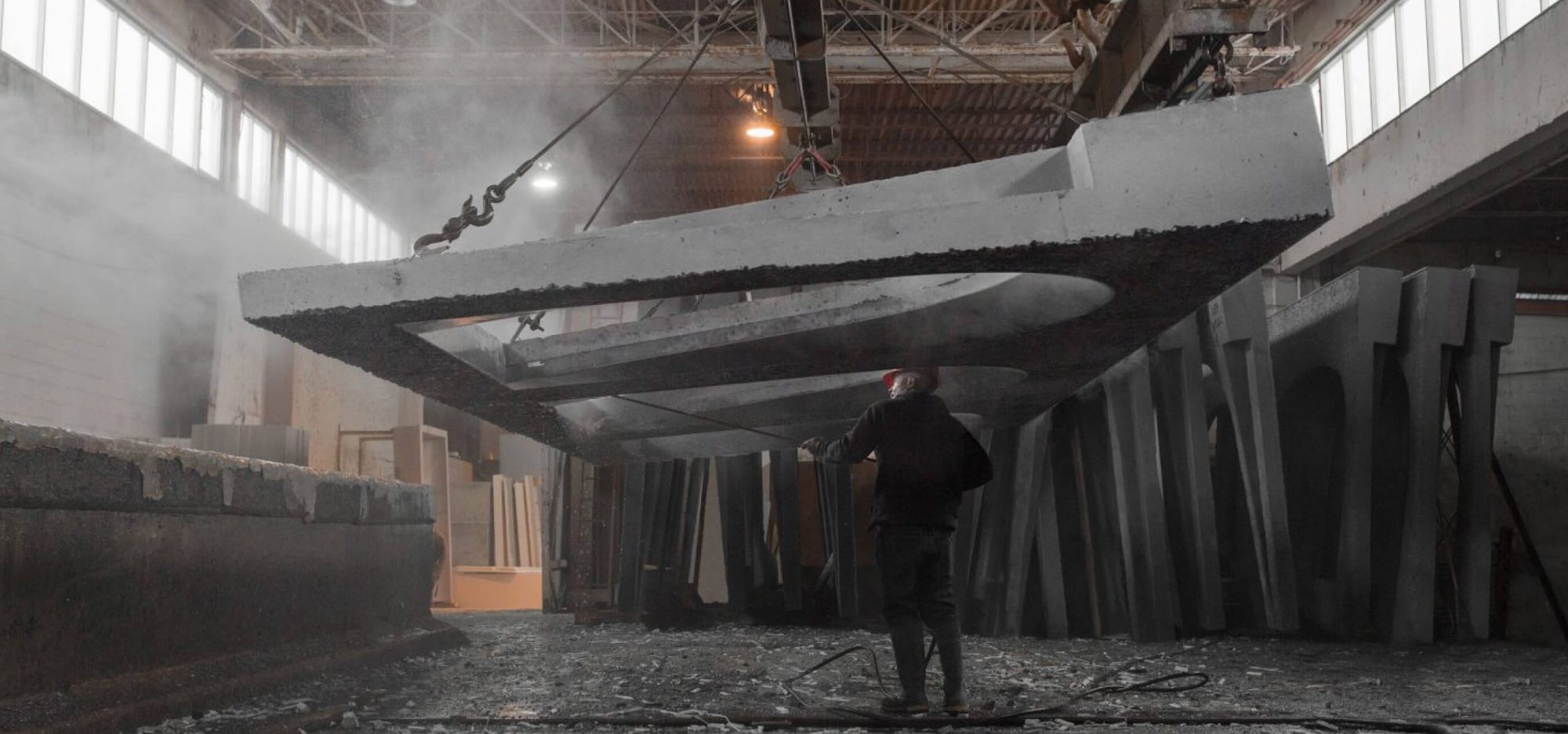
In the realm of construction and design, sustainability has become an increasingly significant consideration. As awareness of environmental issues grows, so too does the demand for eco-friendly materials. Among these materials, natural stones offer a compelling option due to their durability, aesthetics, and recyclability. In this article, we delve into the world of sustainable stone solutions, exploring their benefits, applications, and contributions to environmentally conscious construction and design practices.

The Case for Natural Stones:
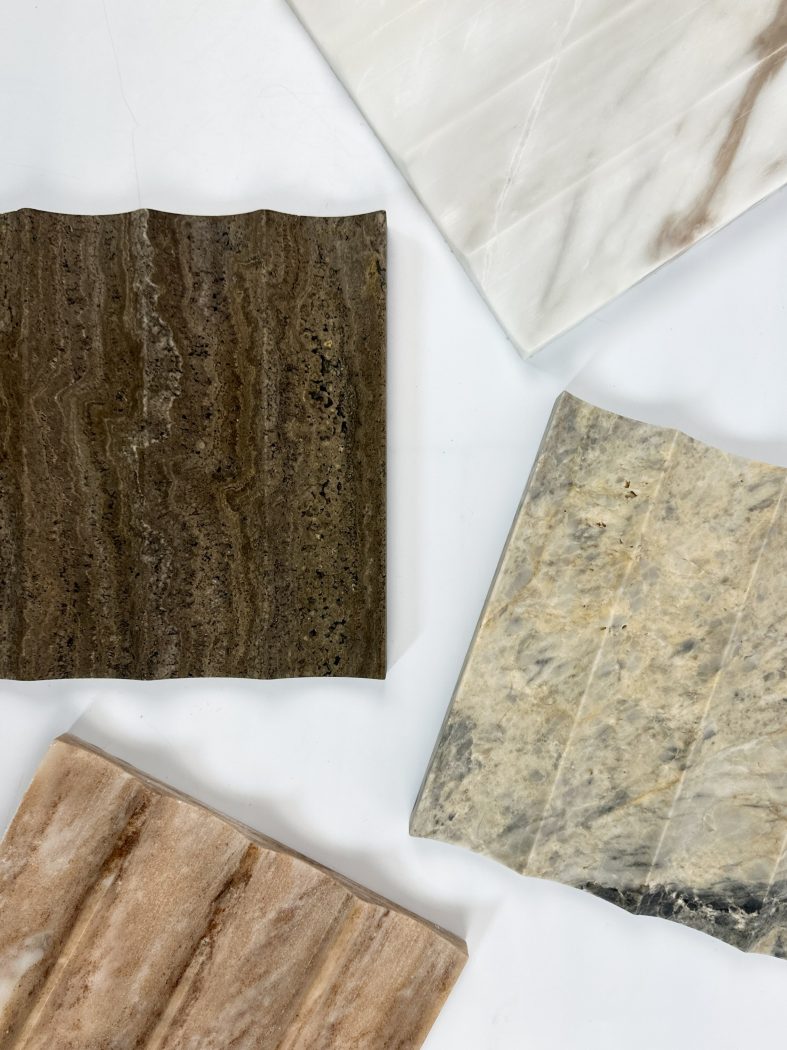
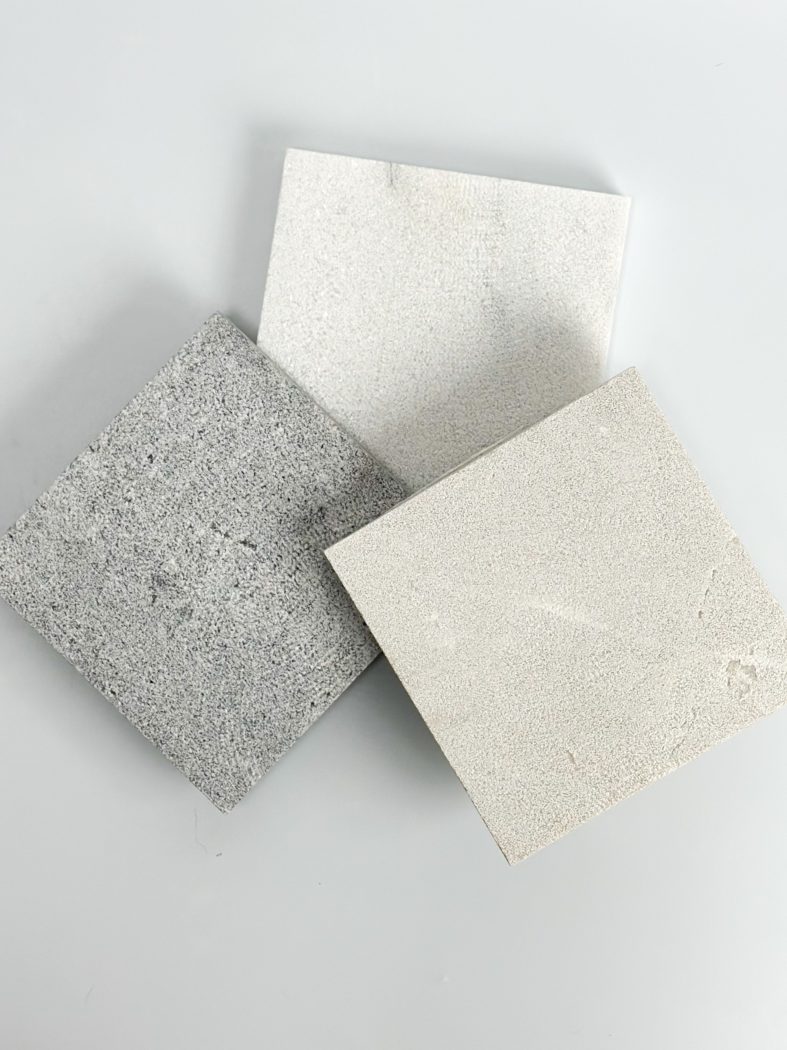
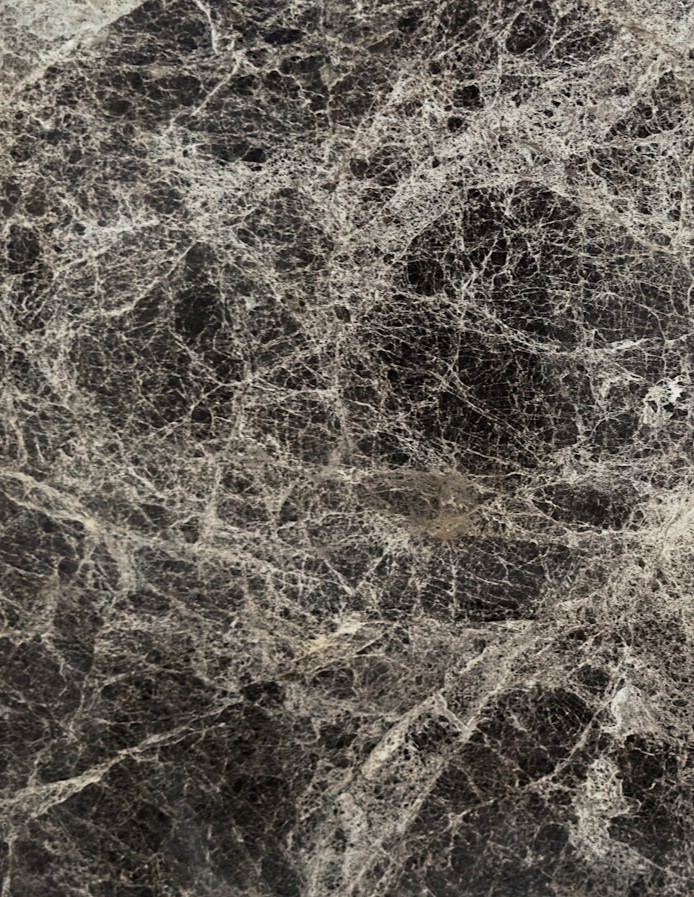
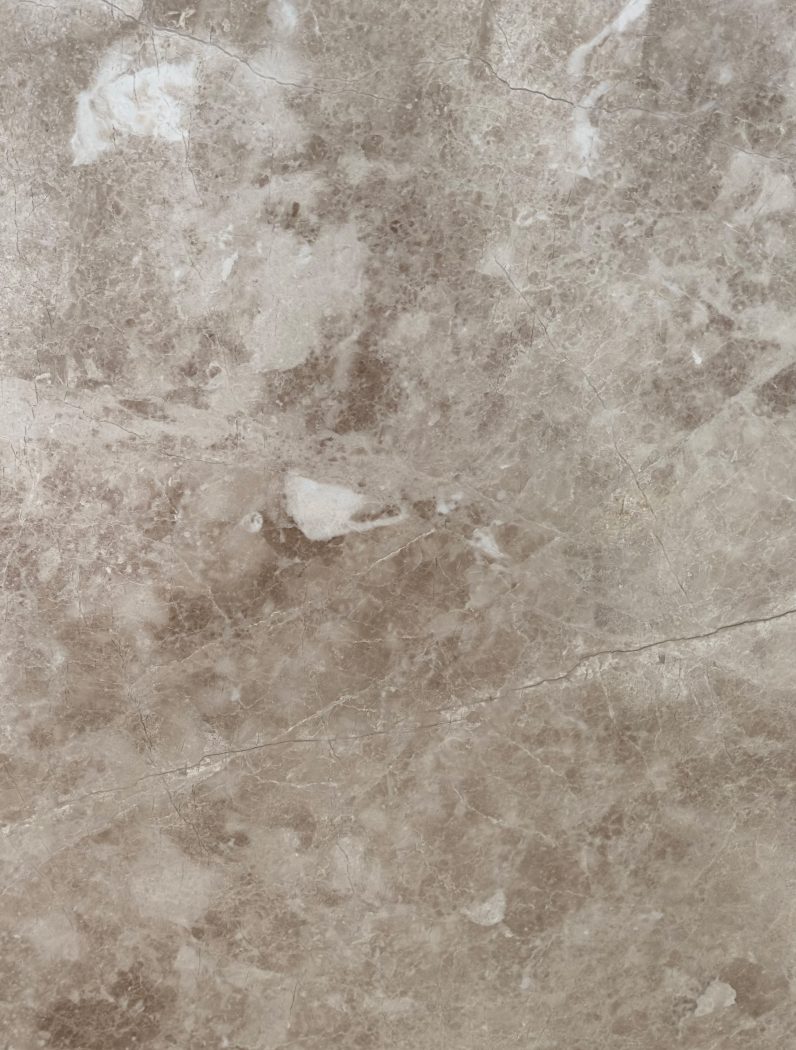
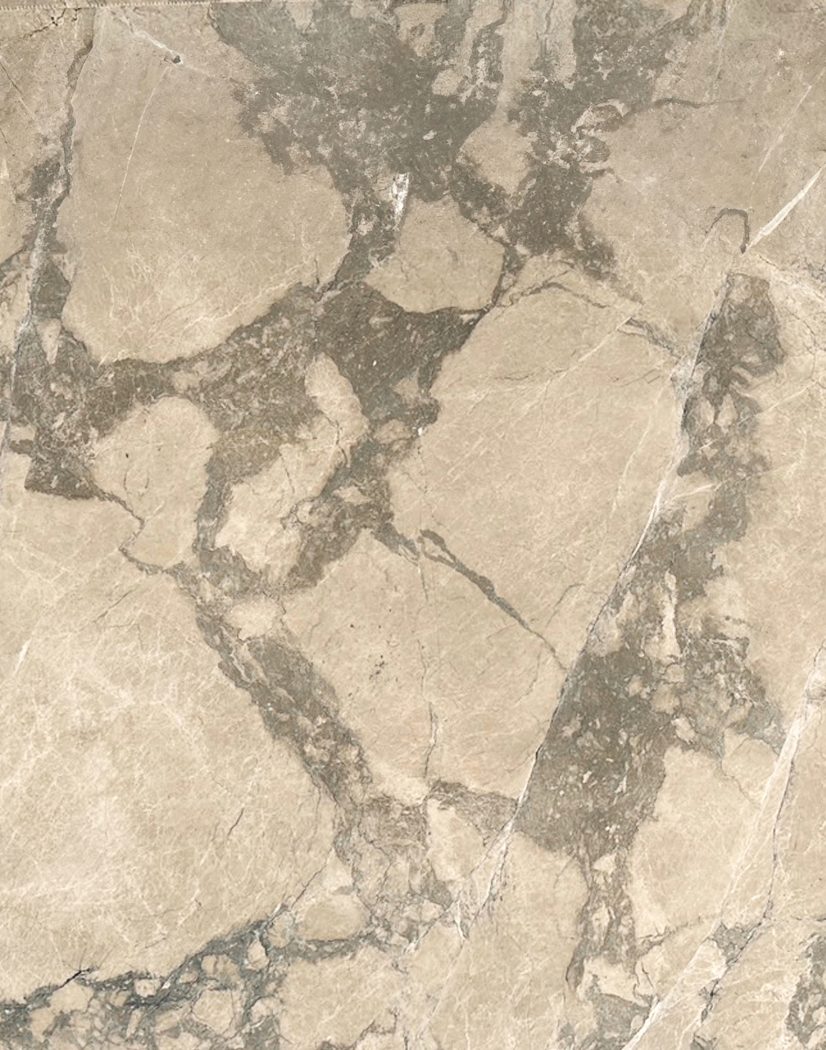
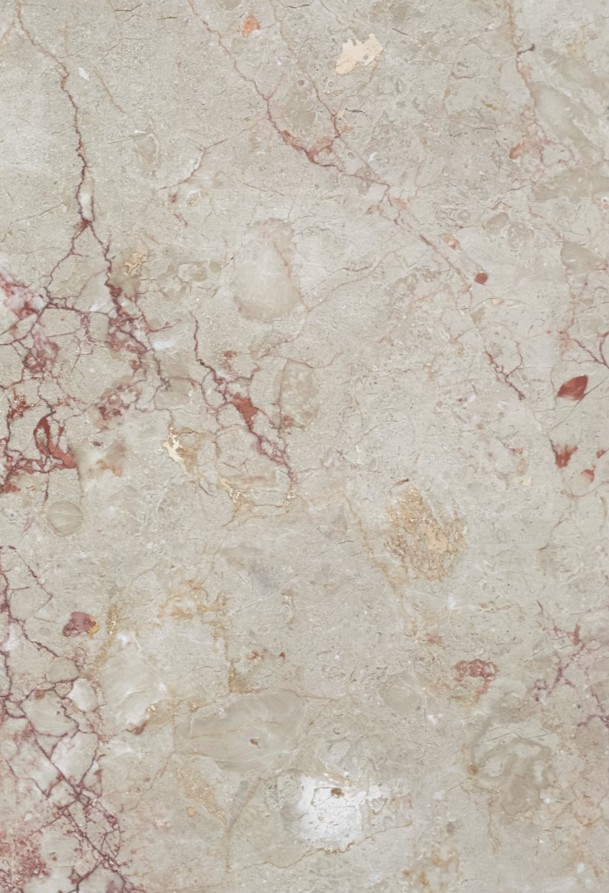
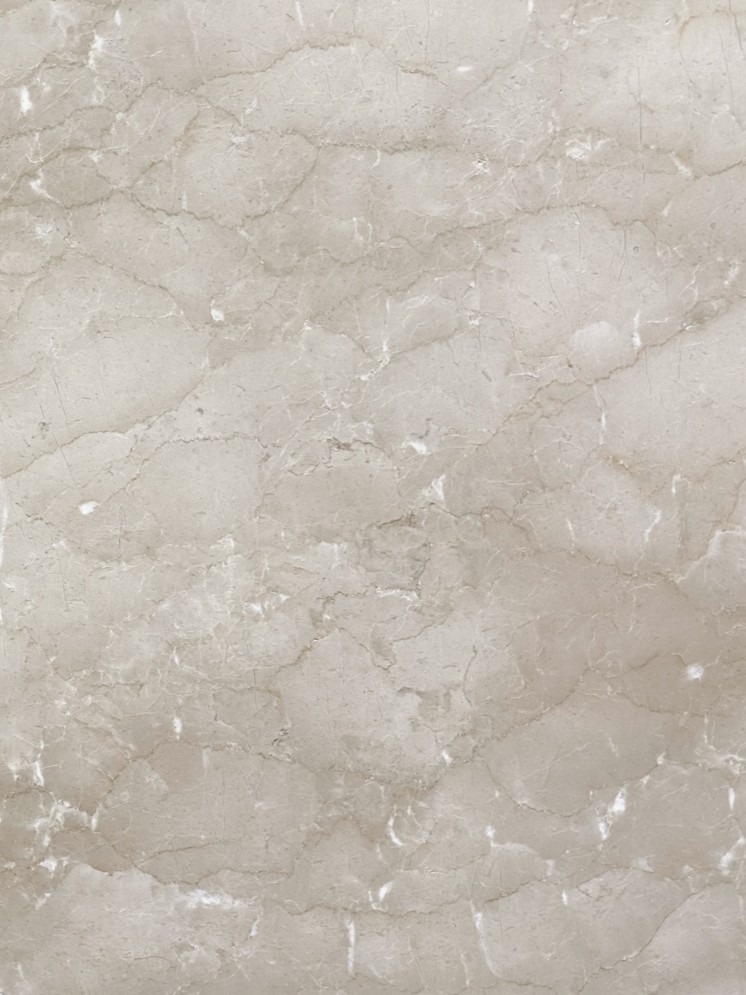
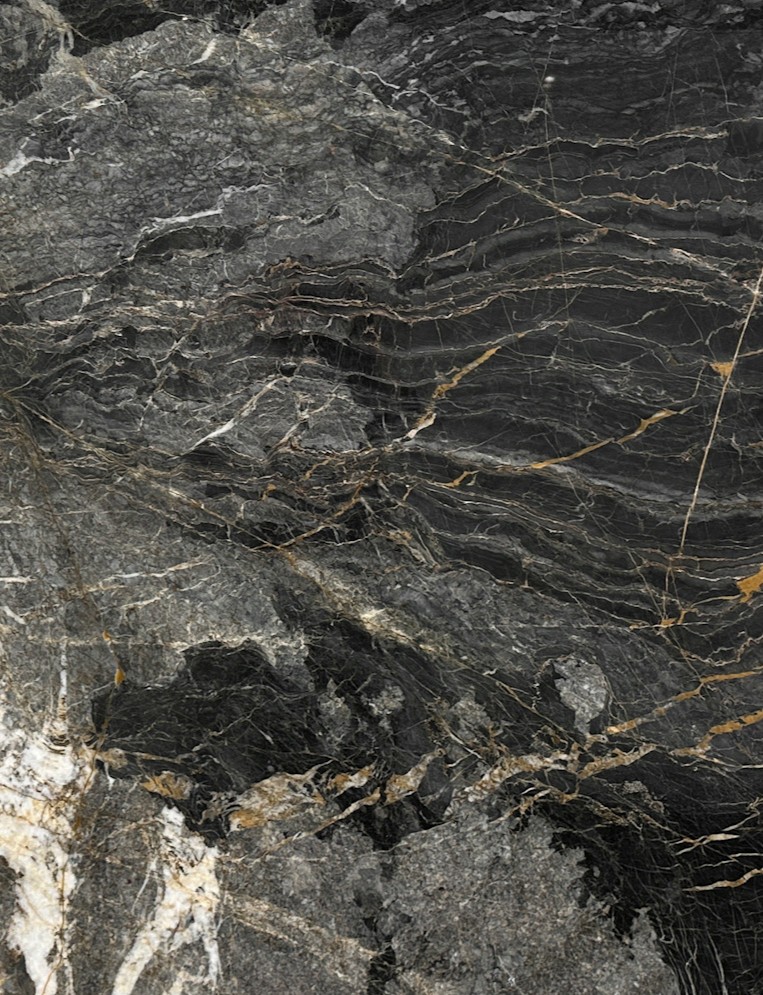
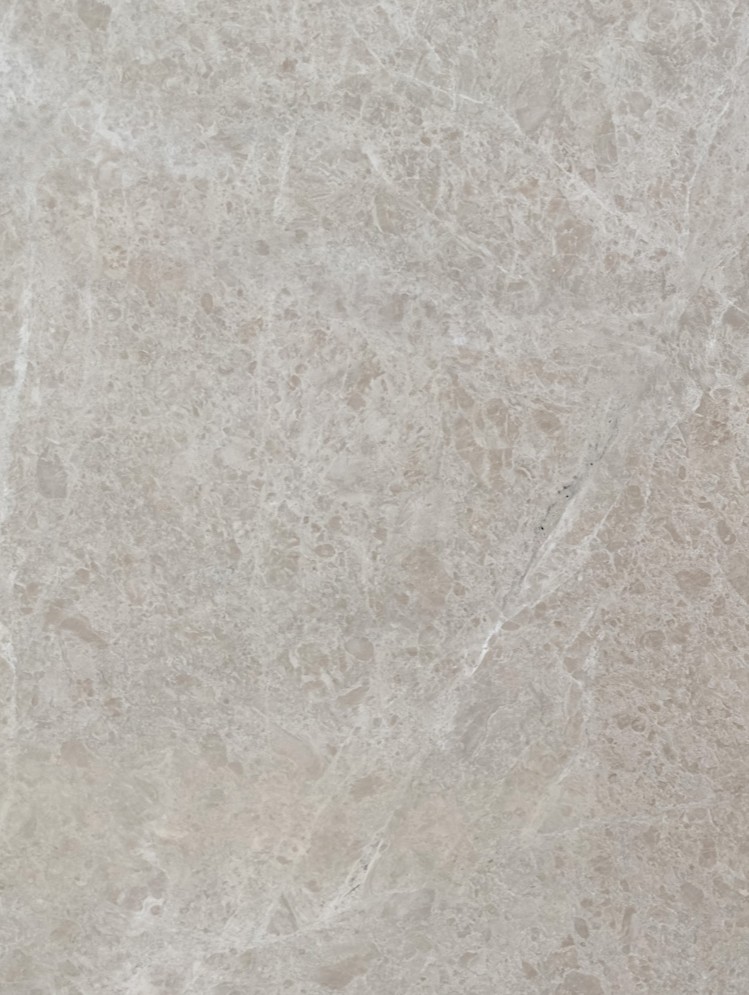
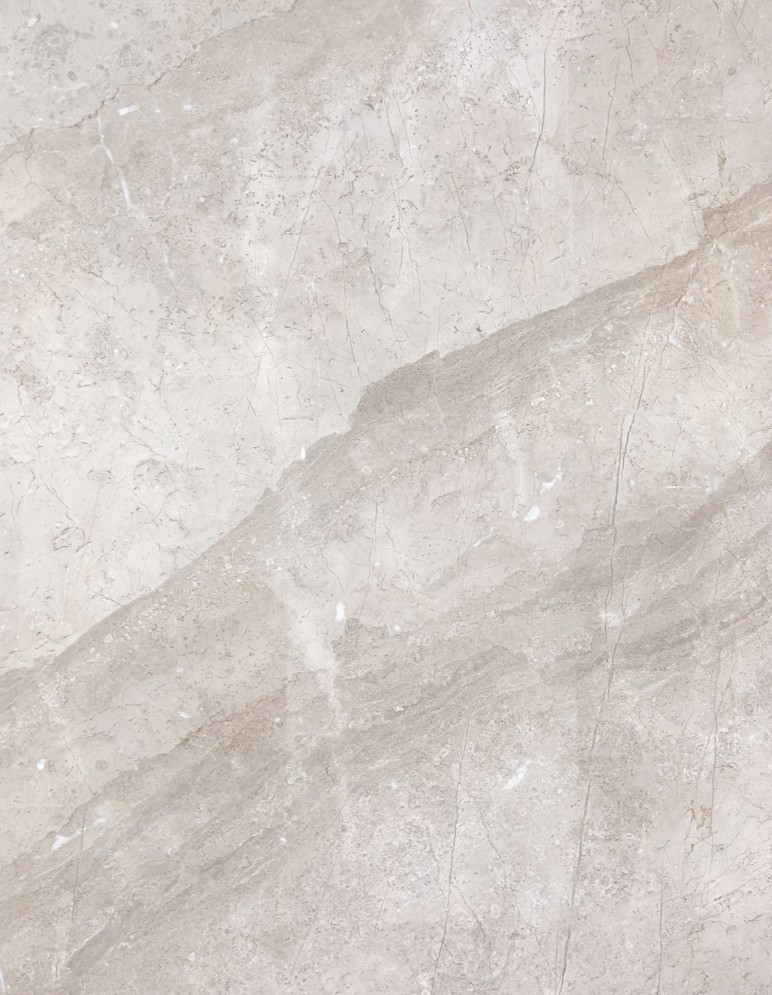
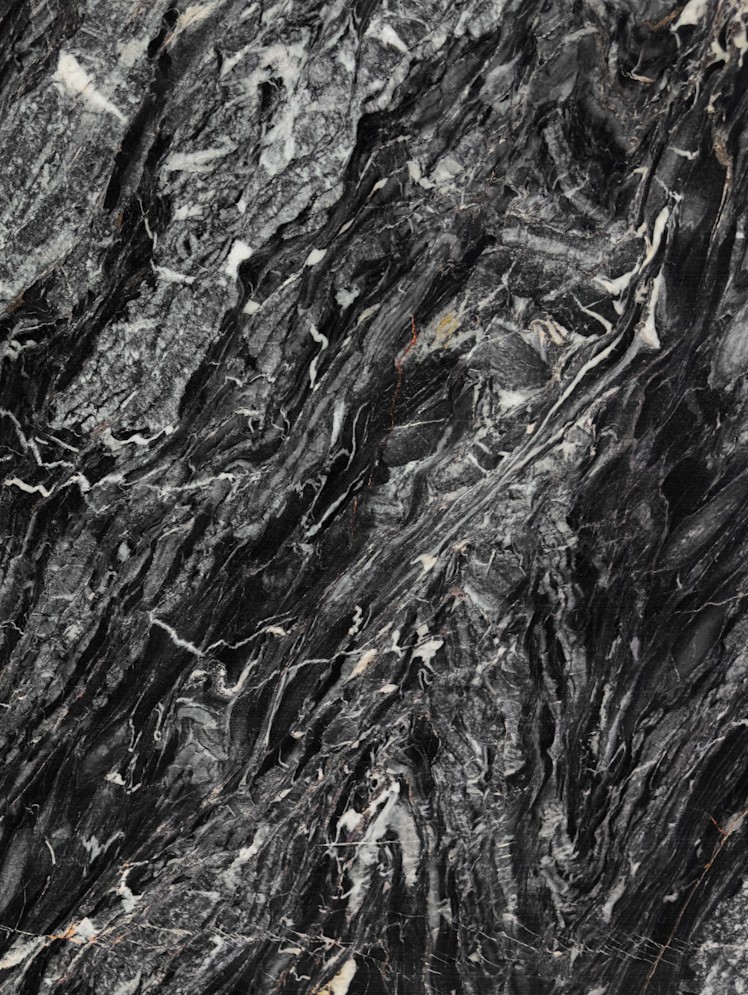
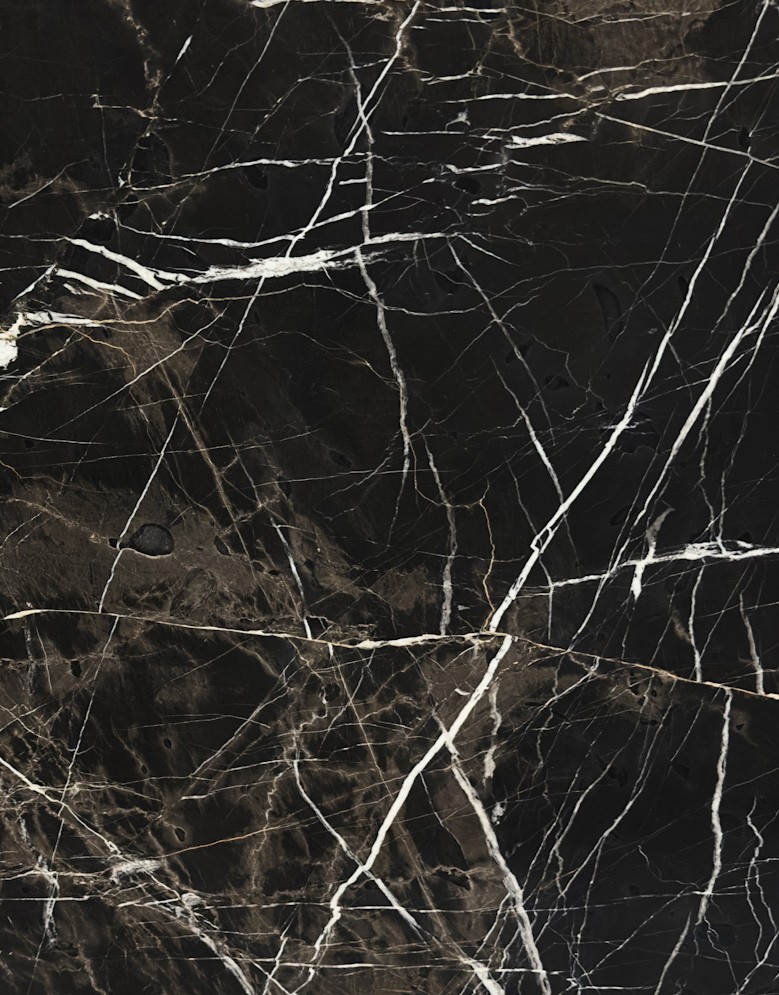
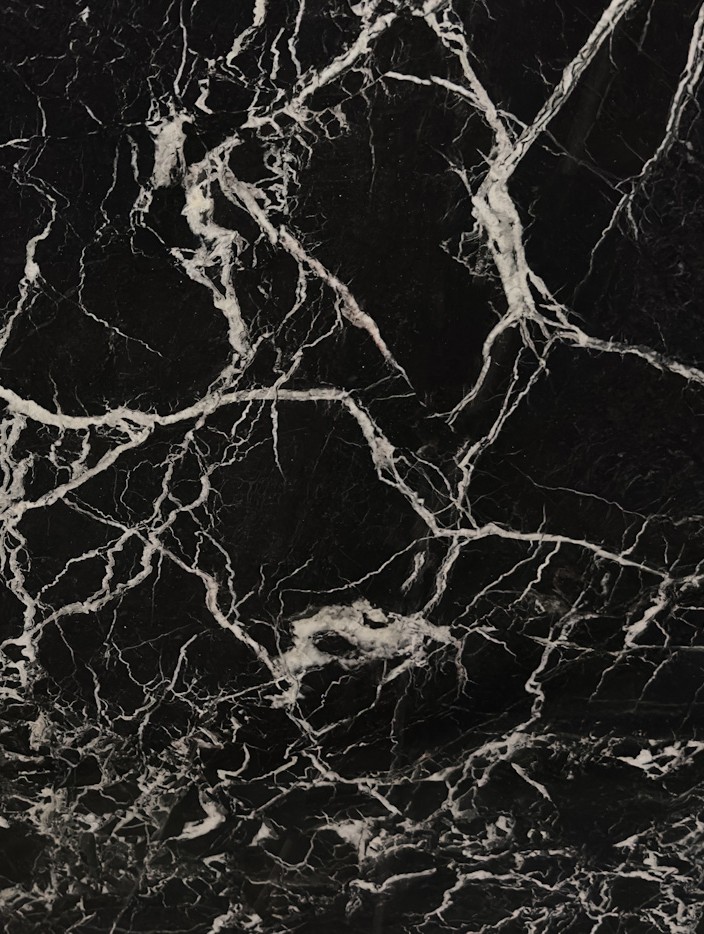
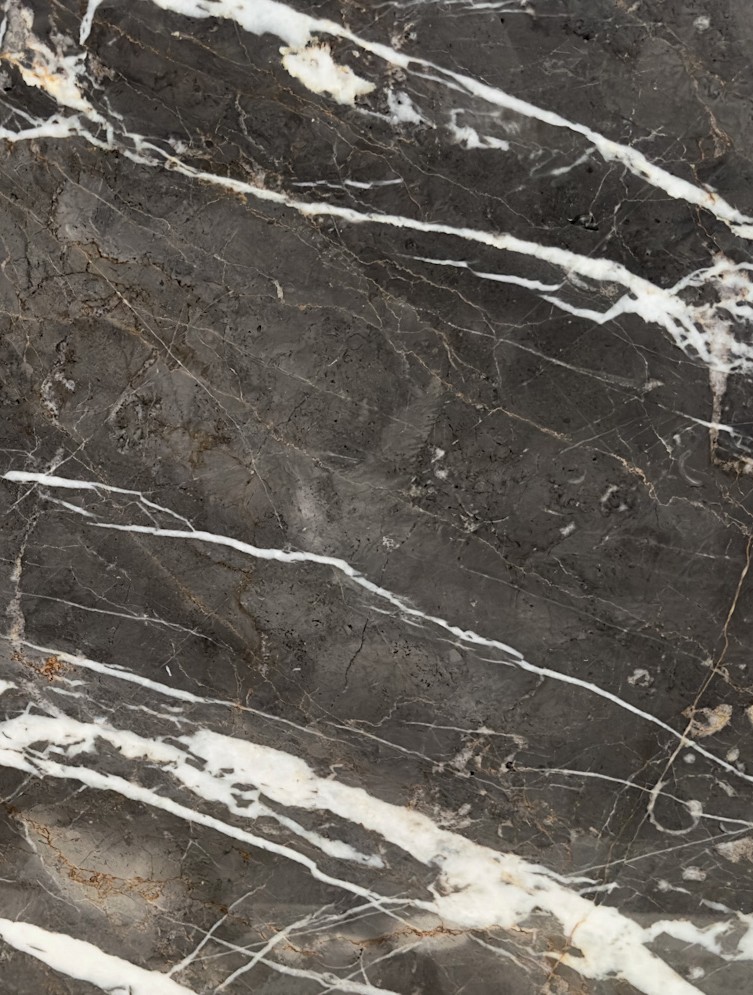
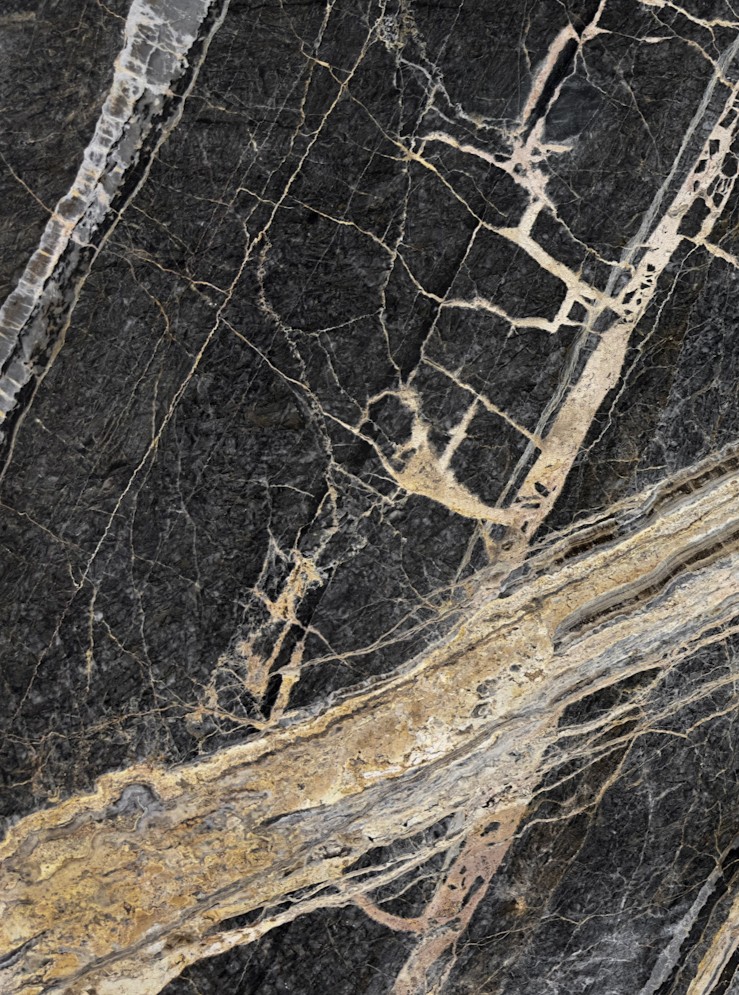
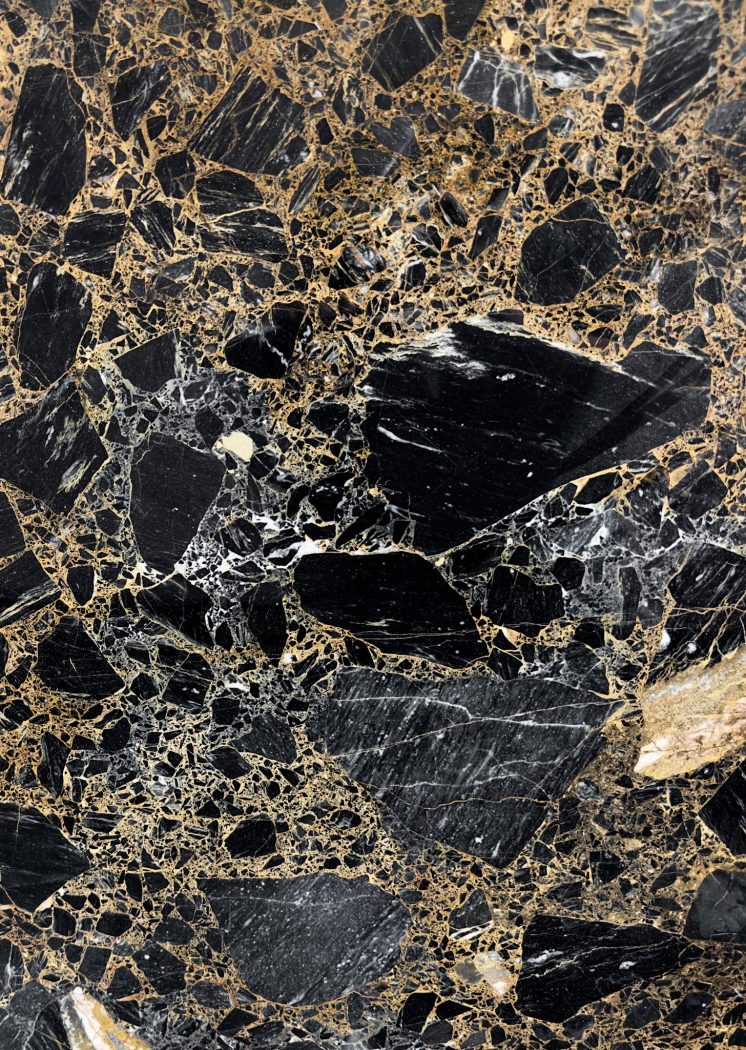
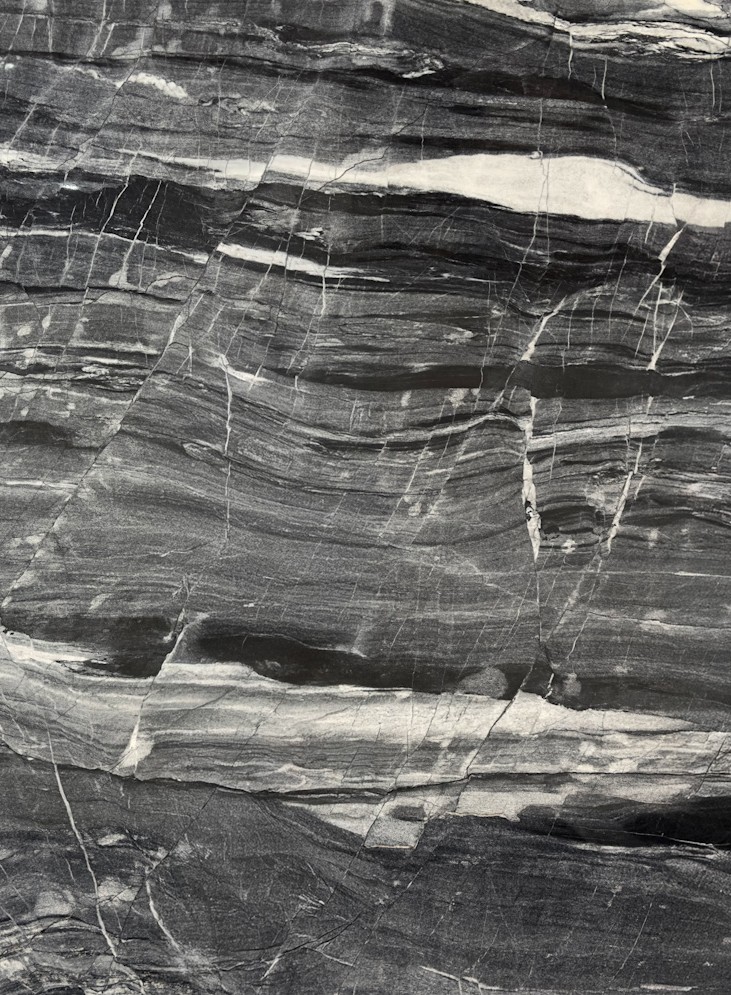
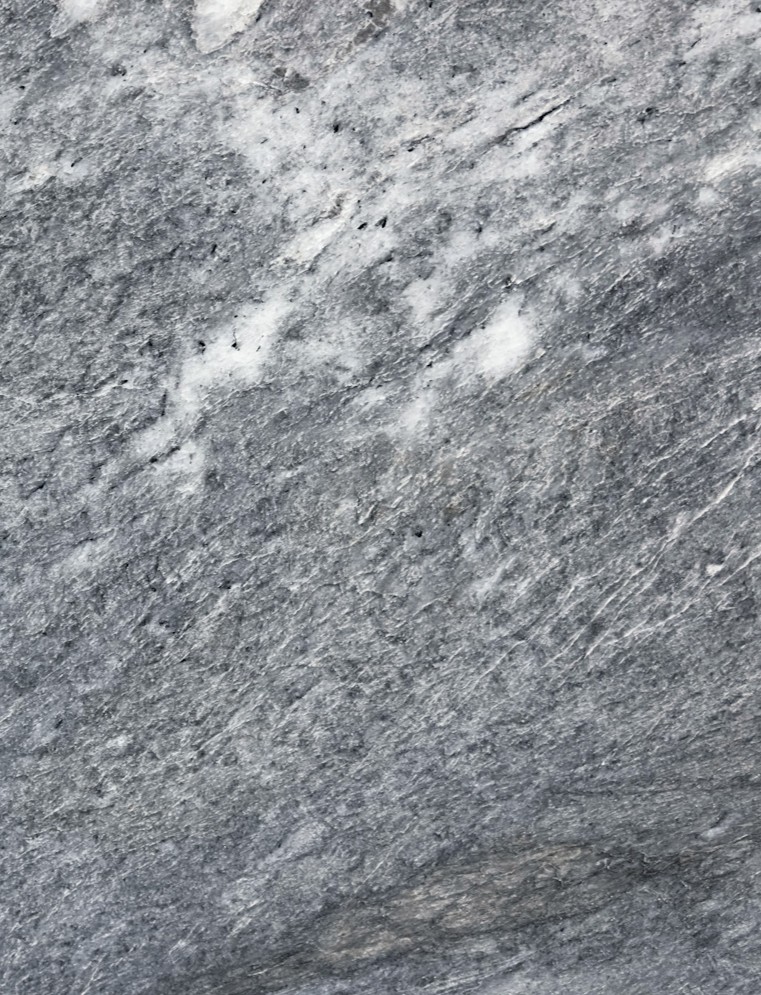
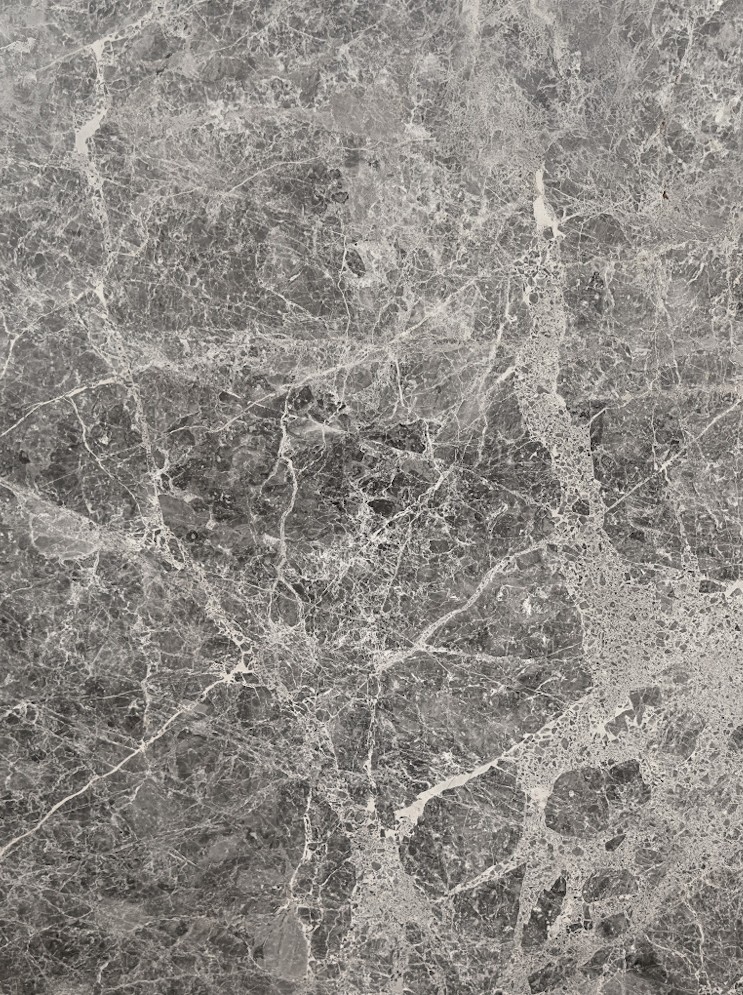
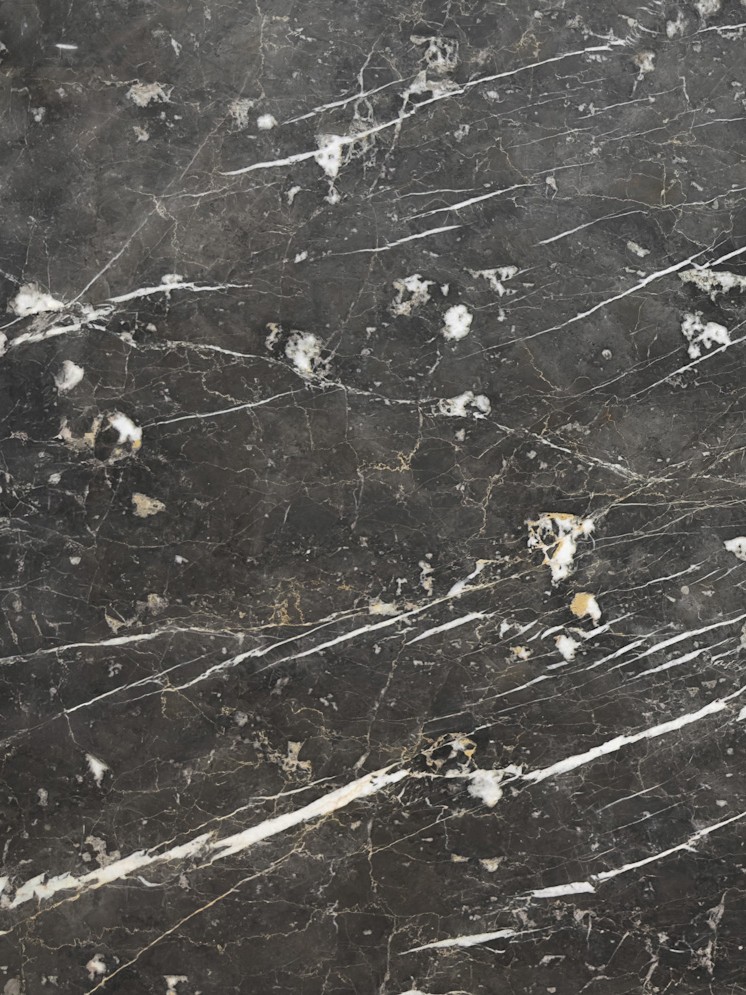
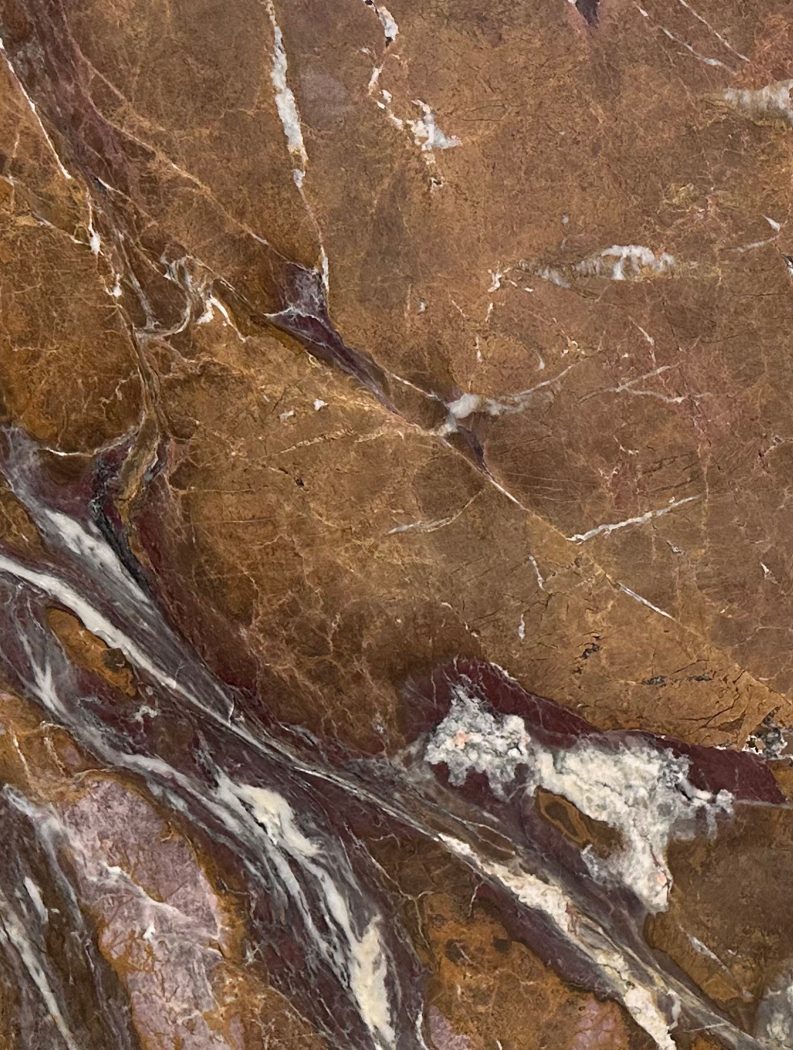
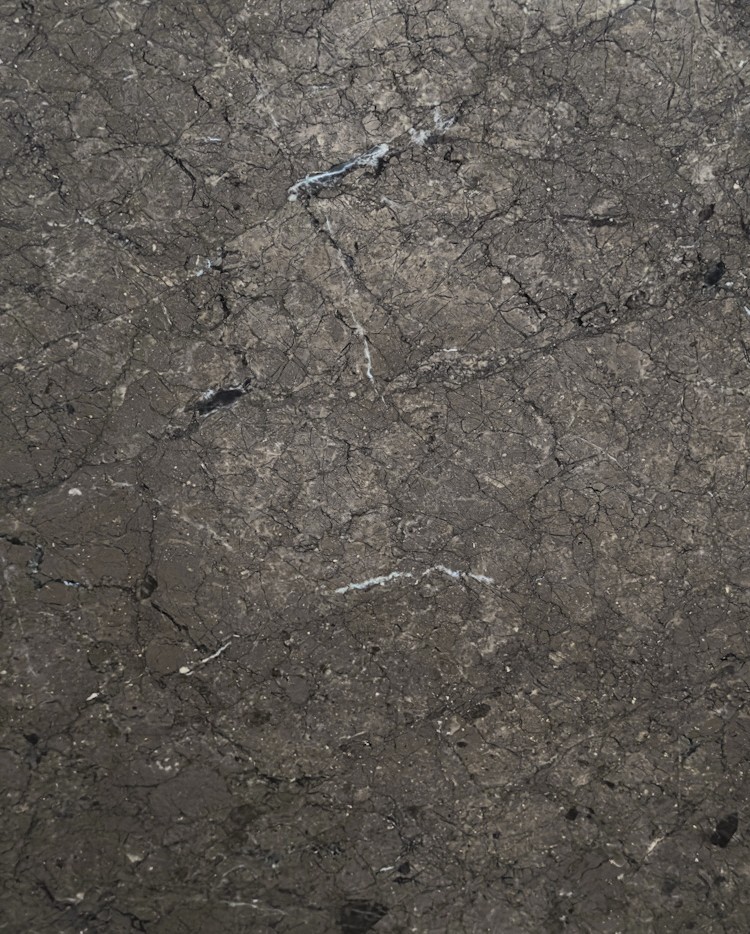
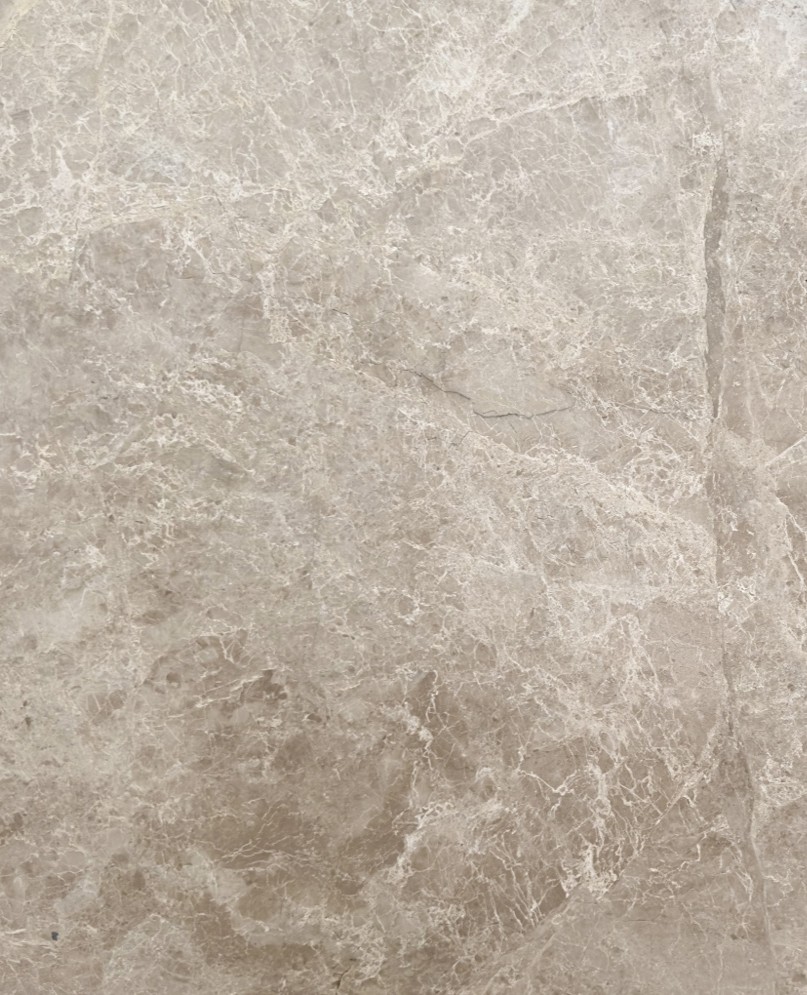
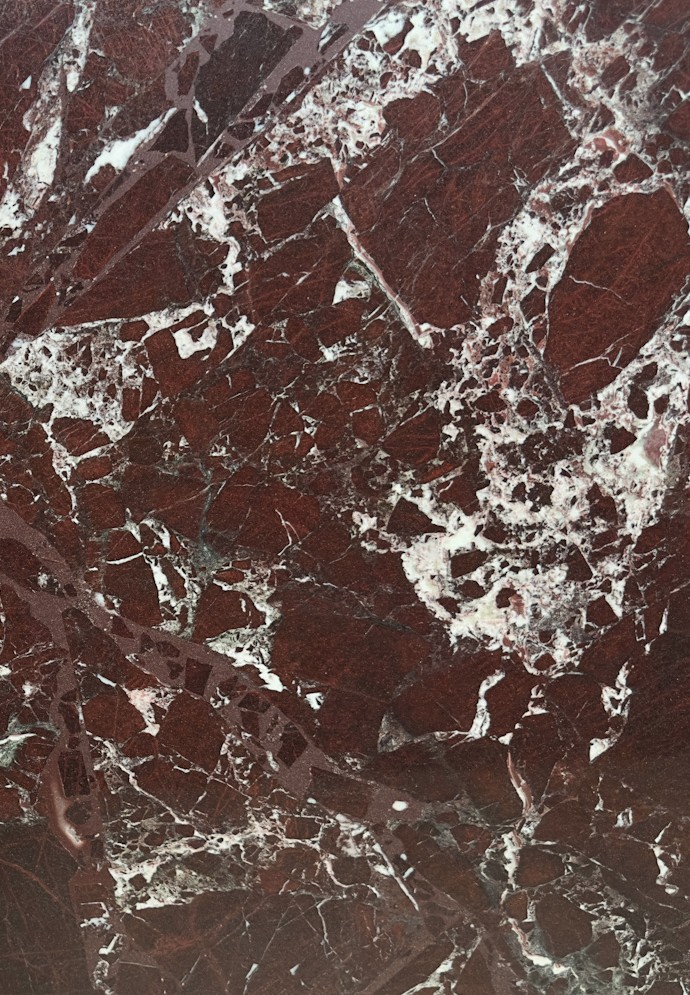
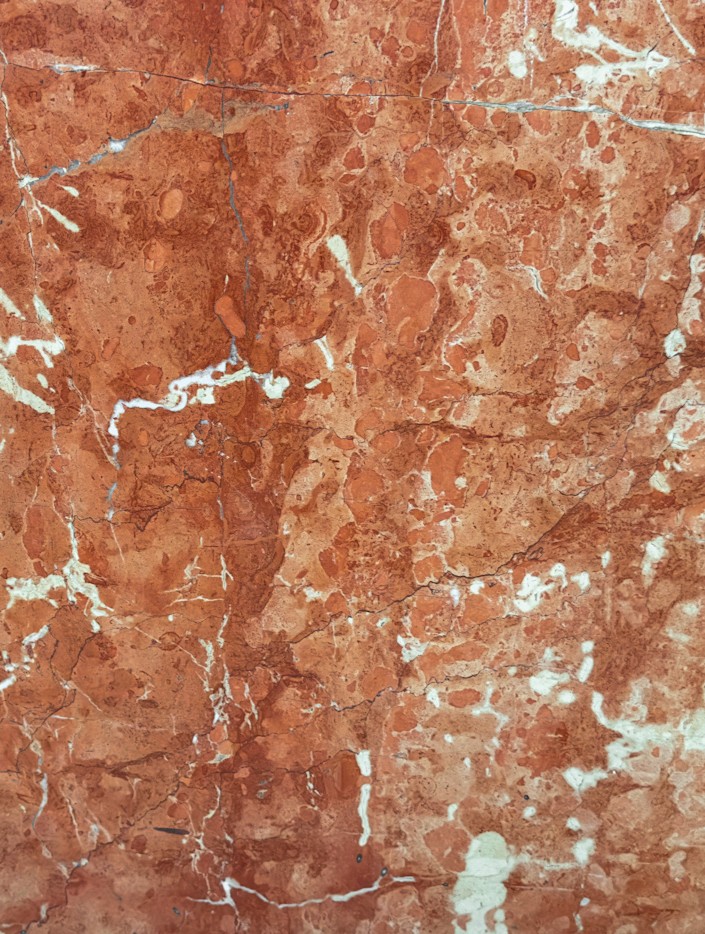
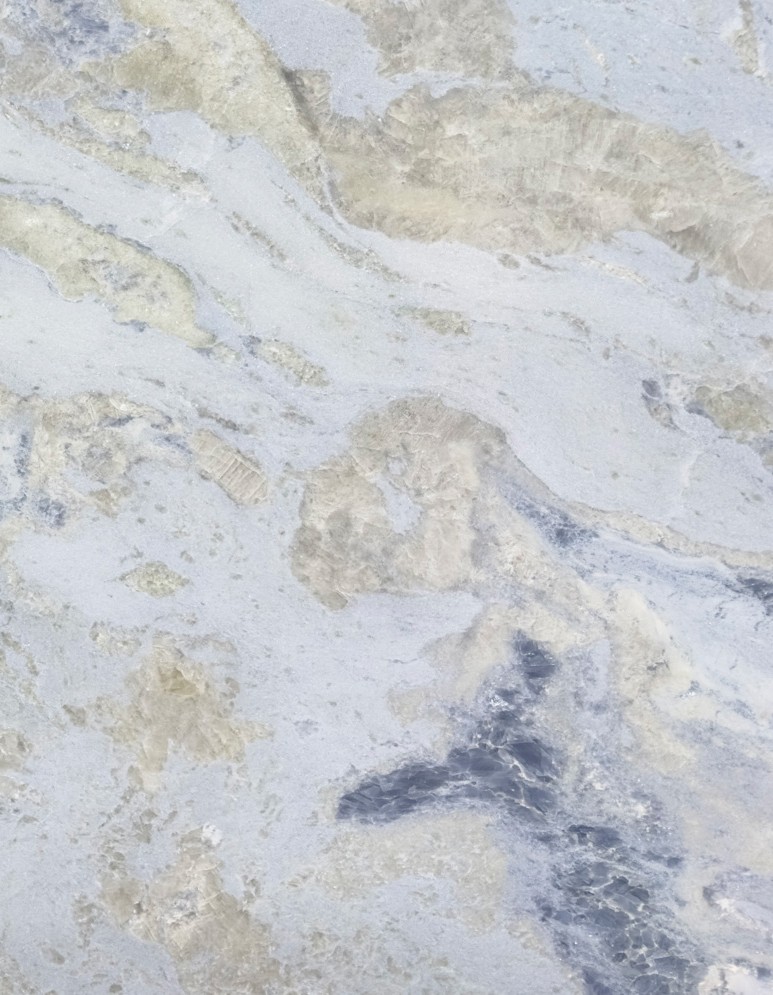
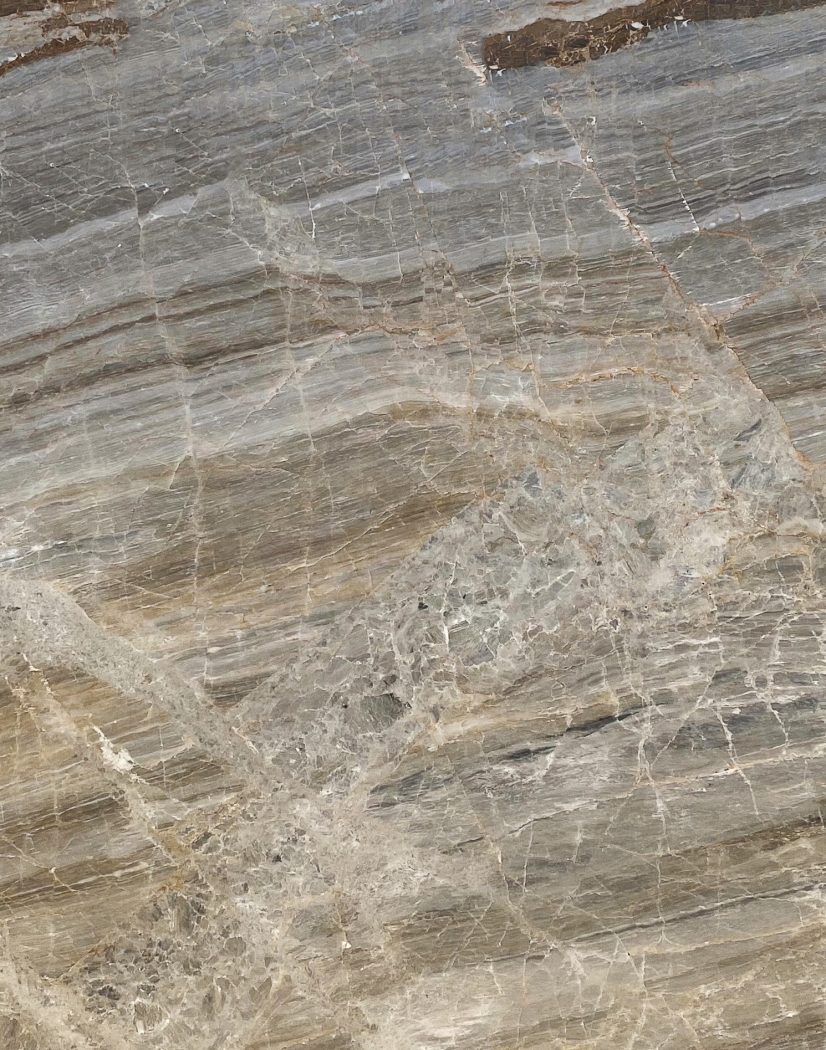
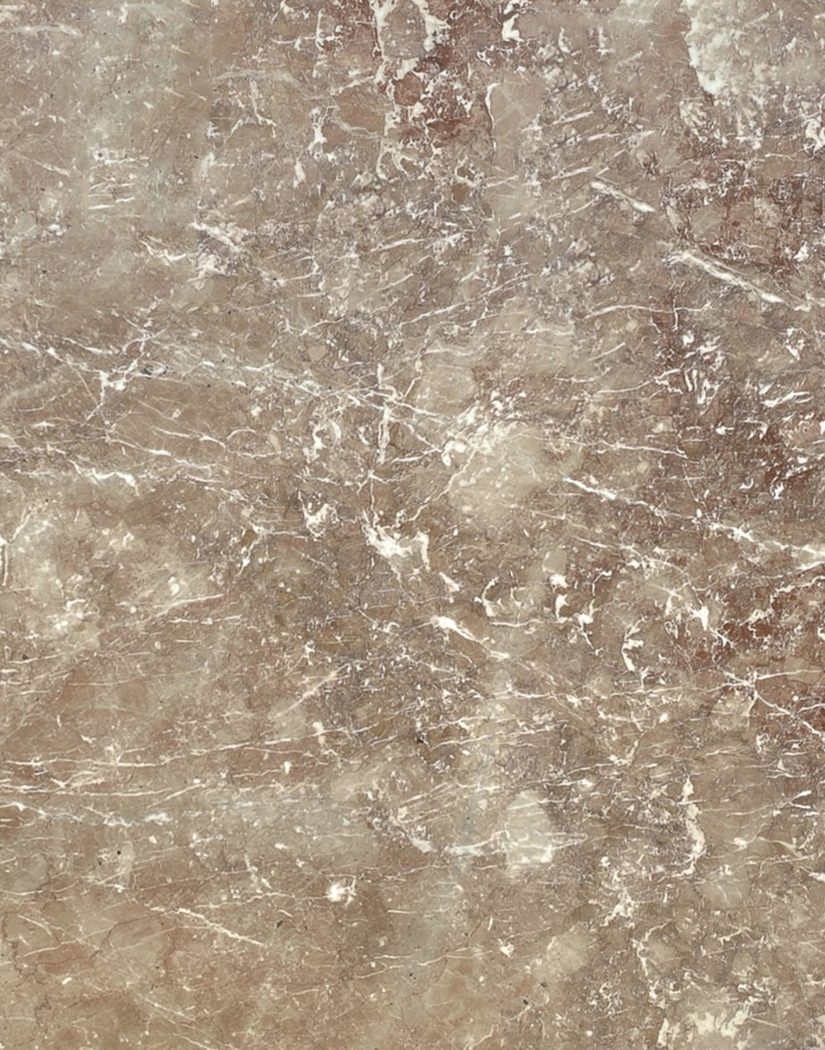
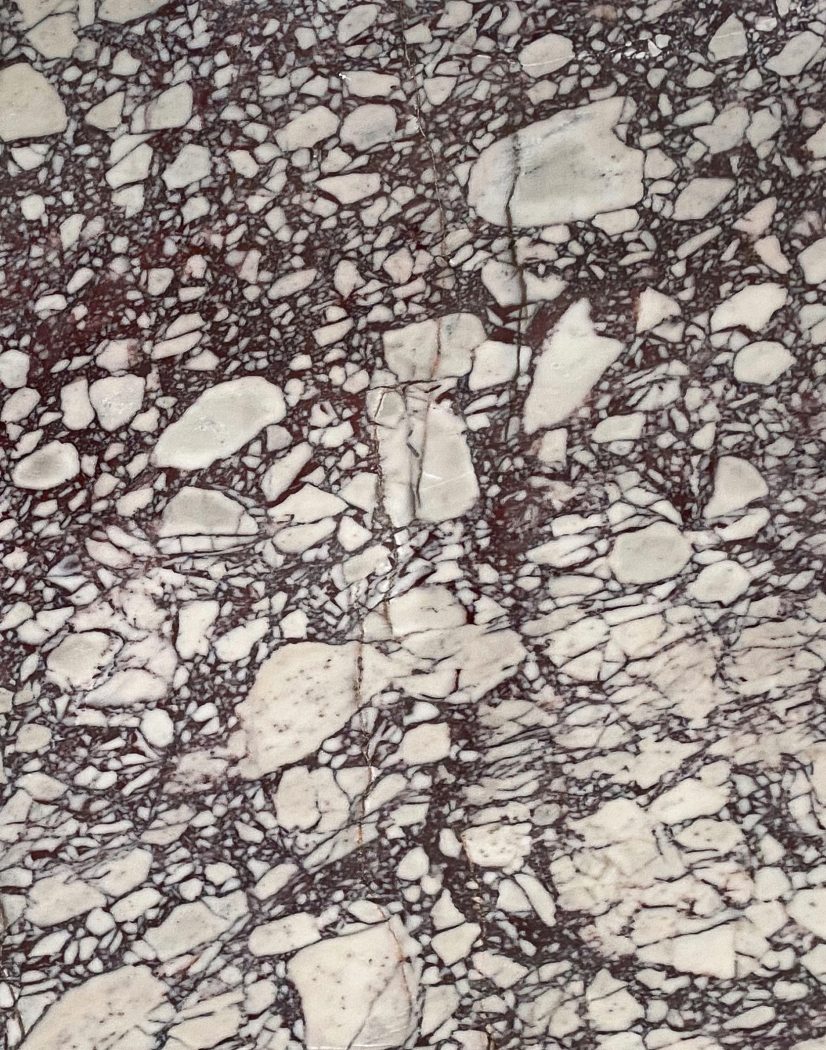
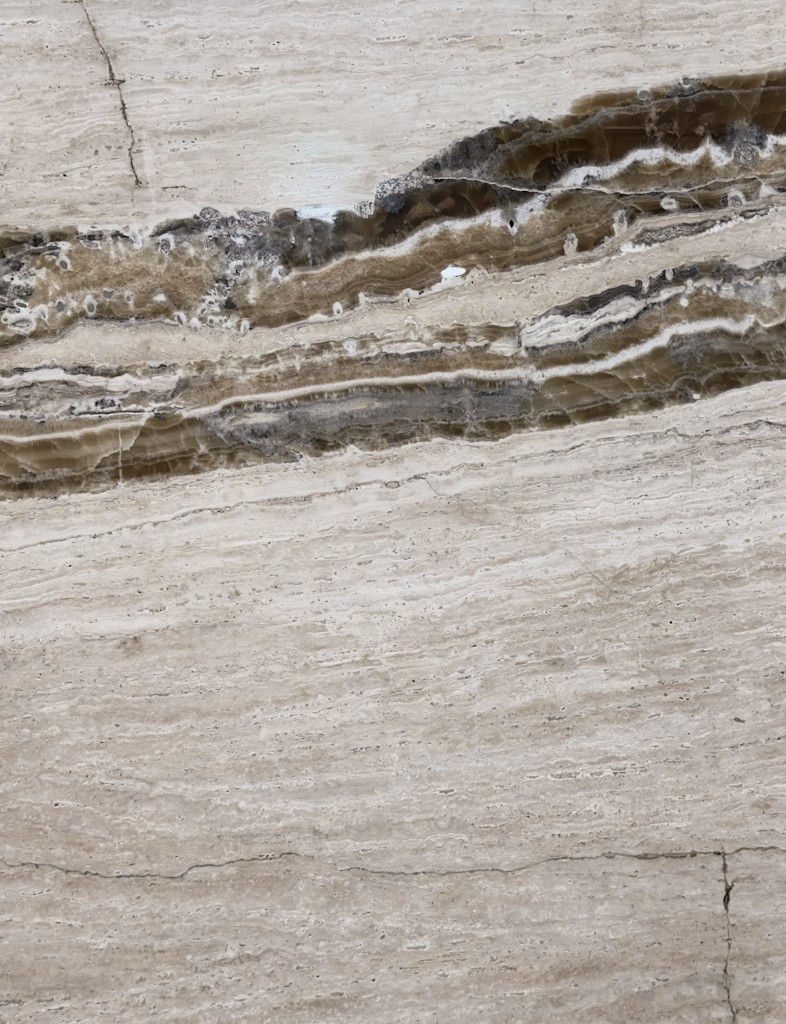
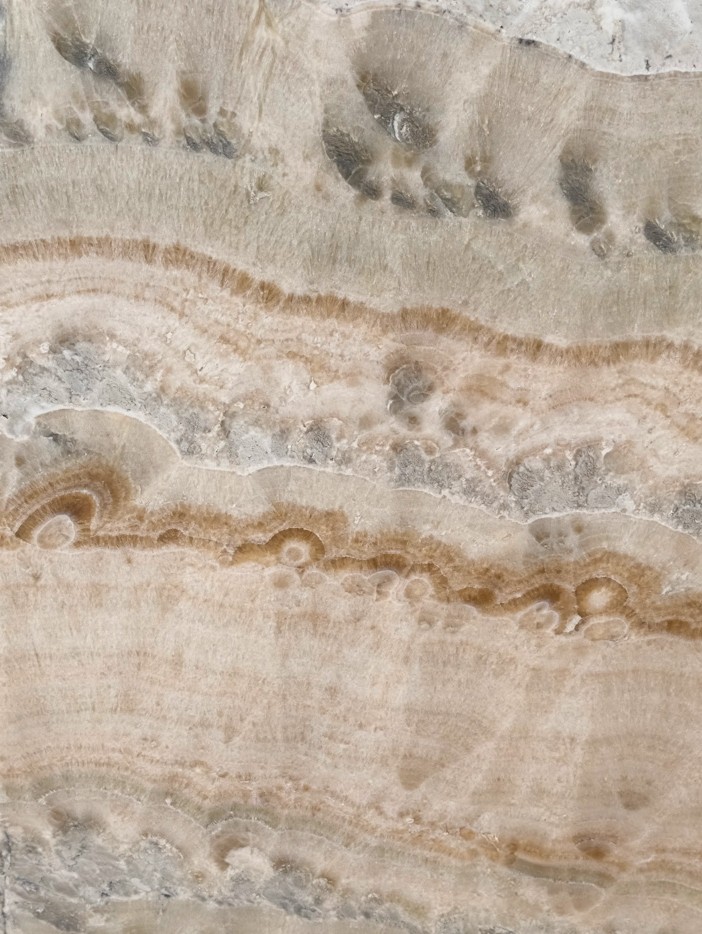
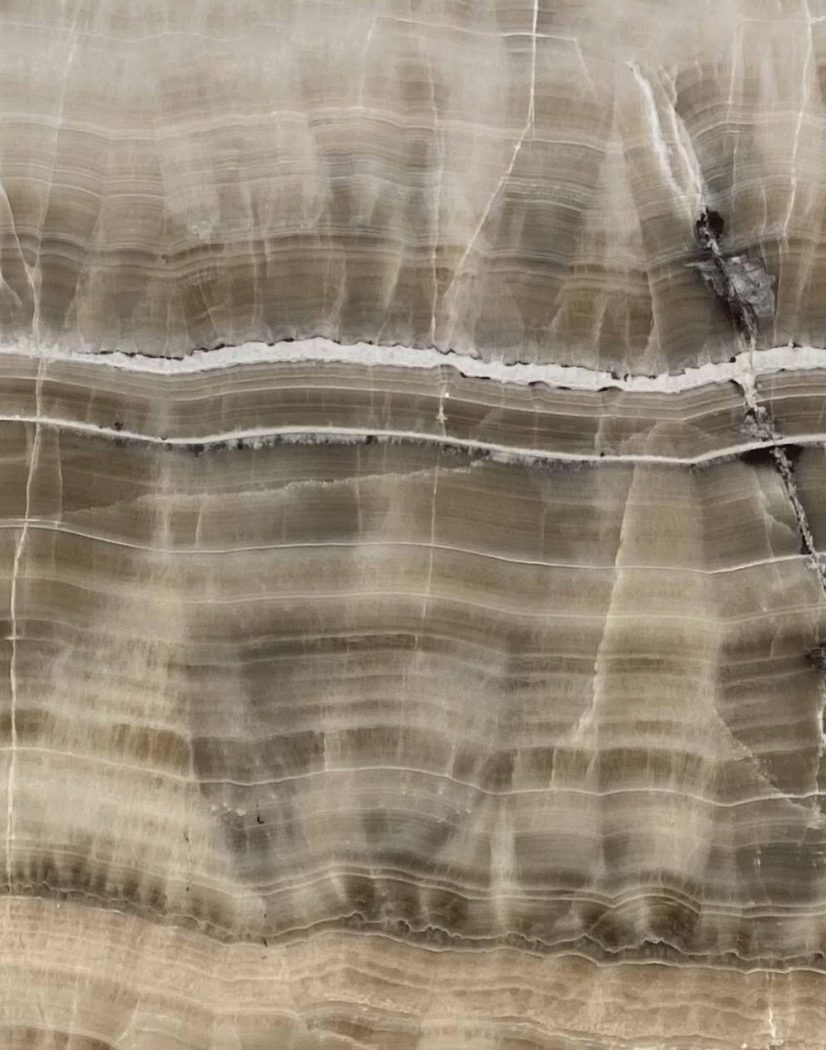
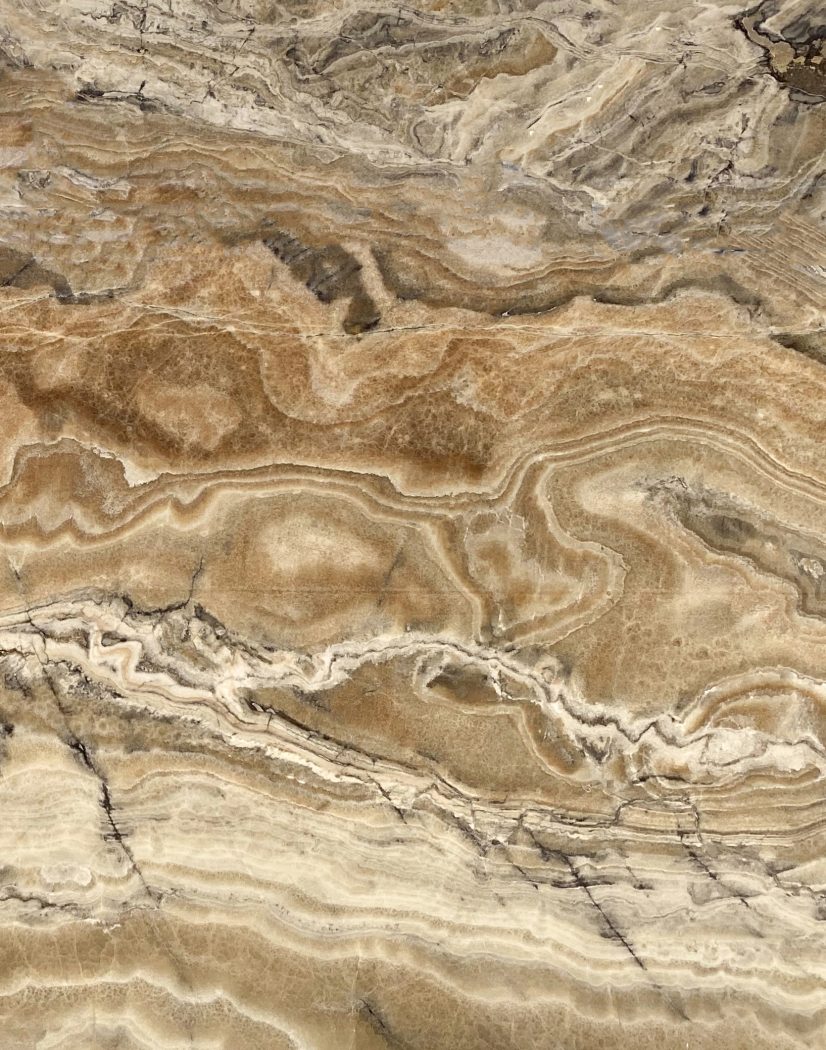
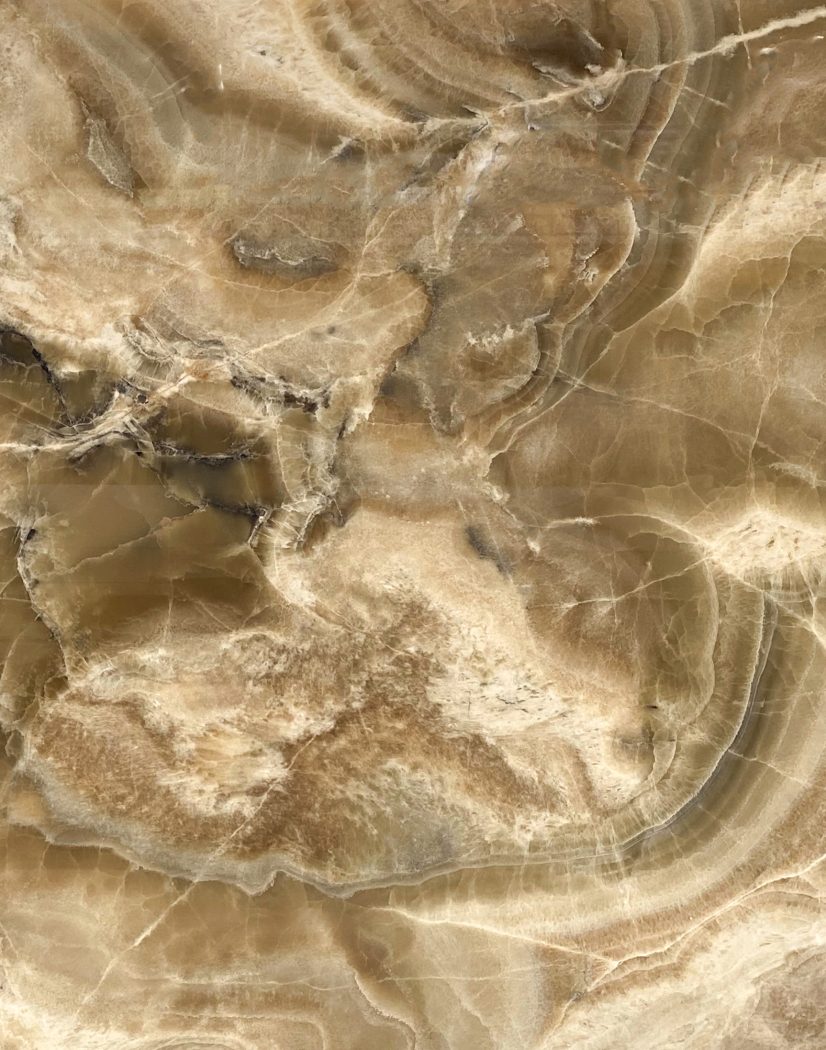
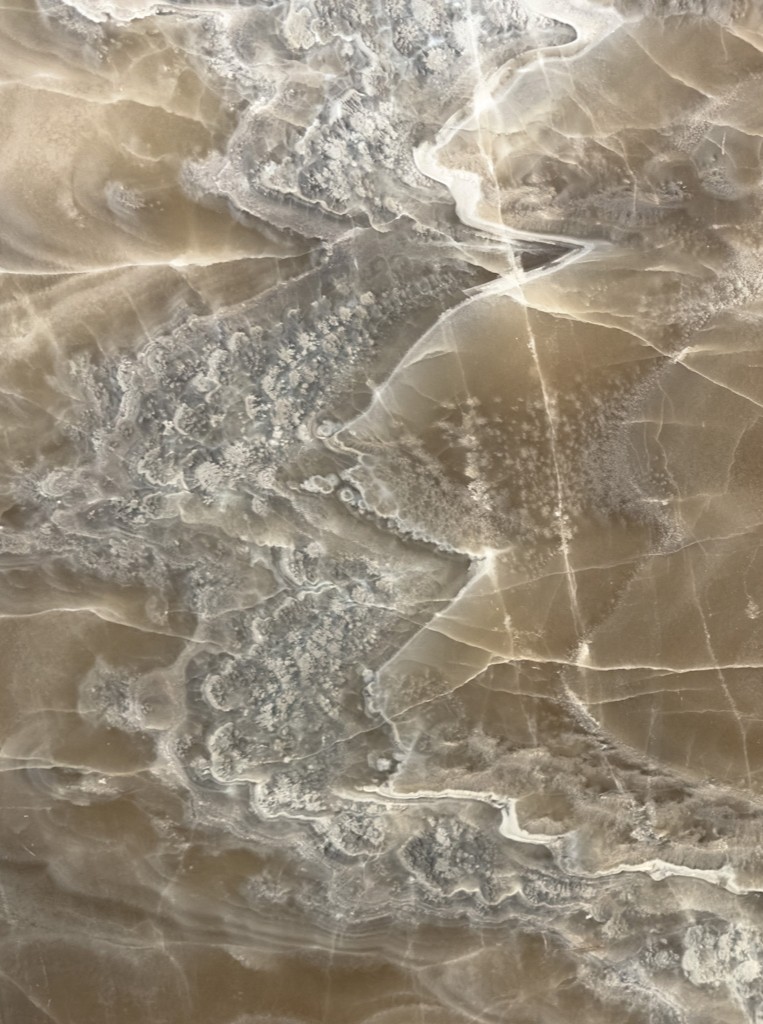
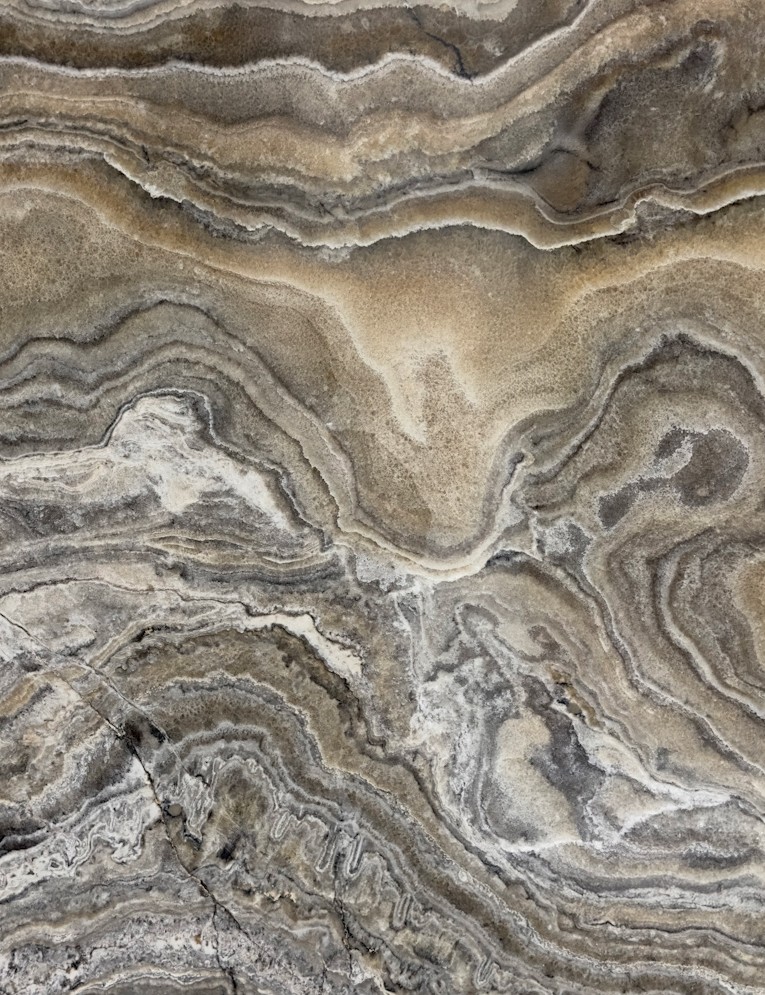
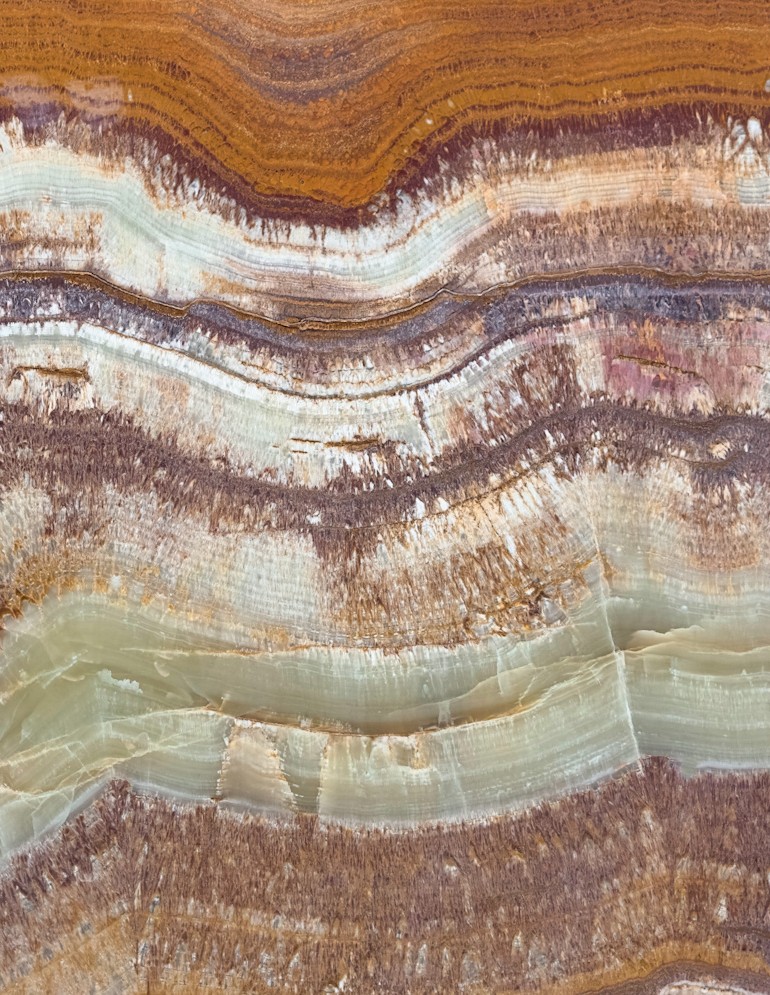
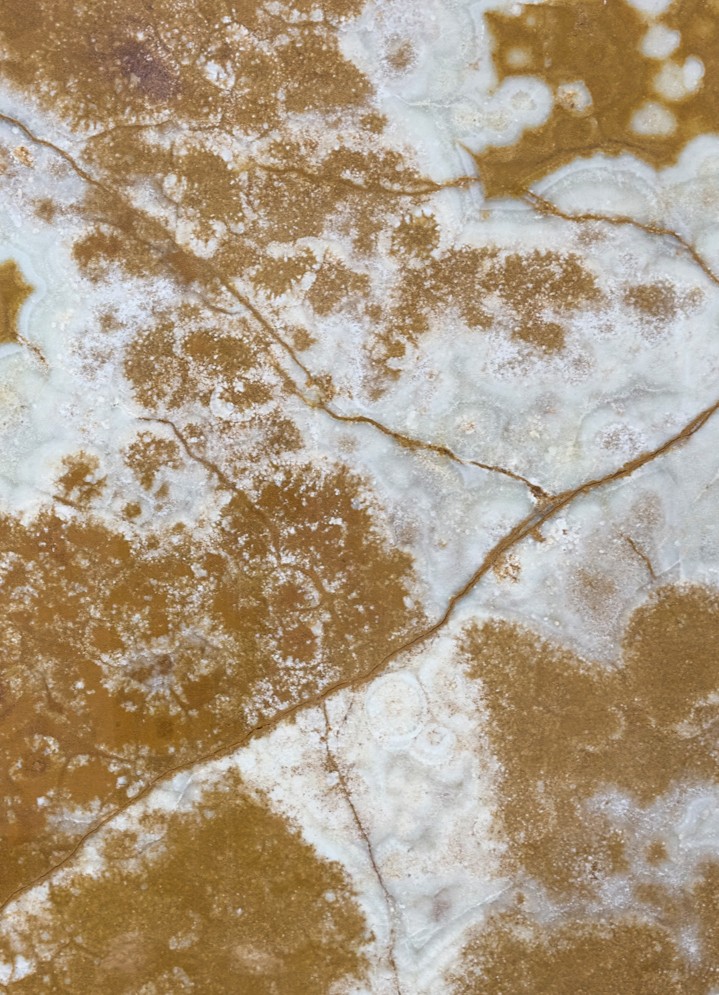
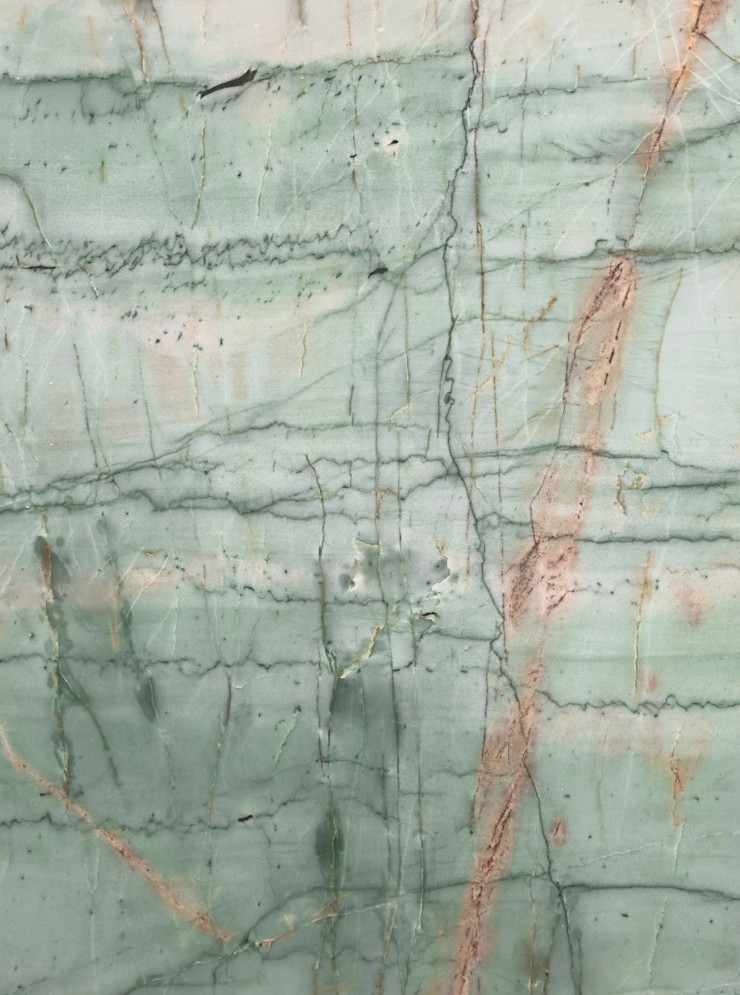
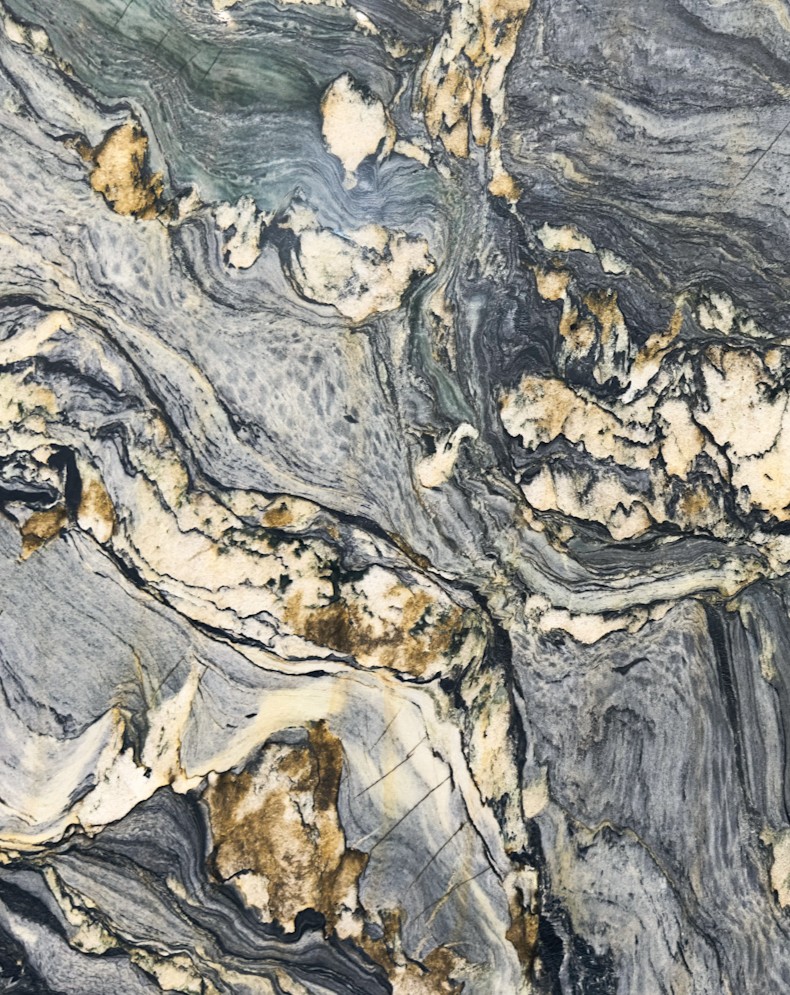
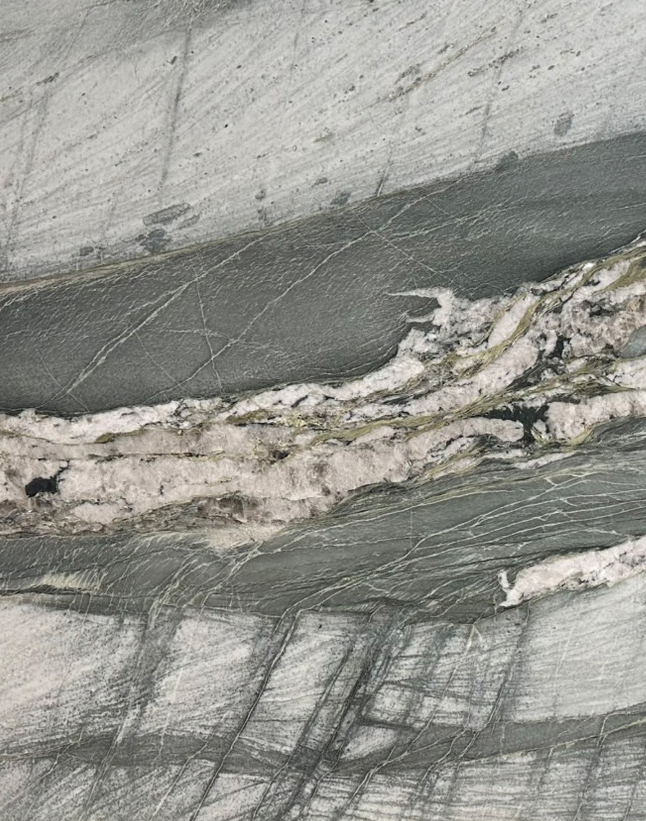
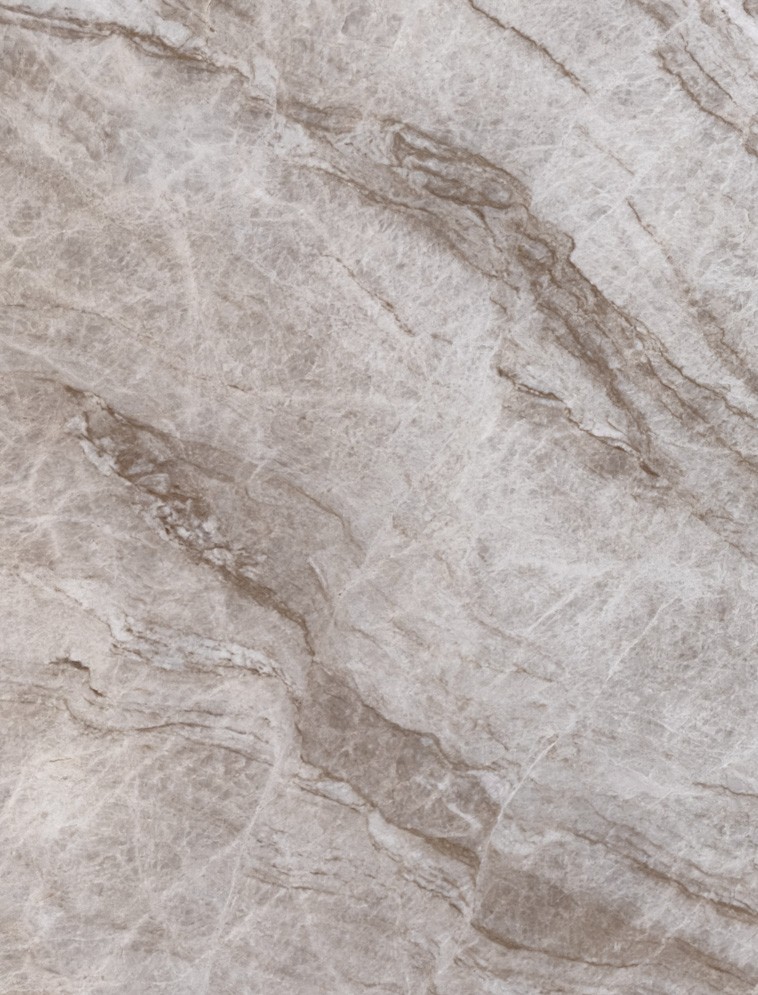
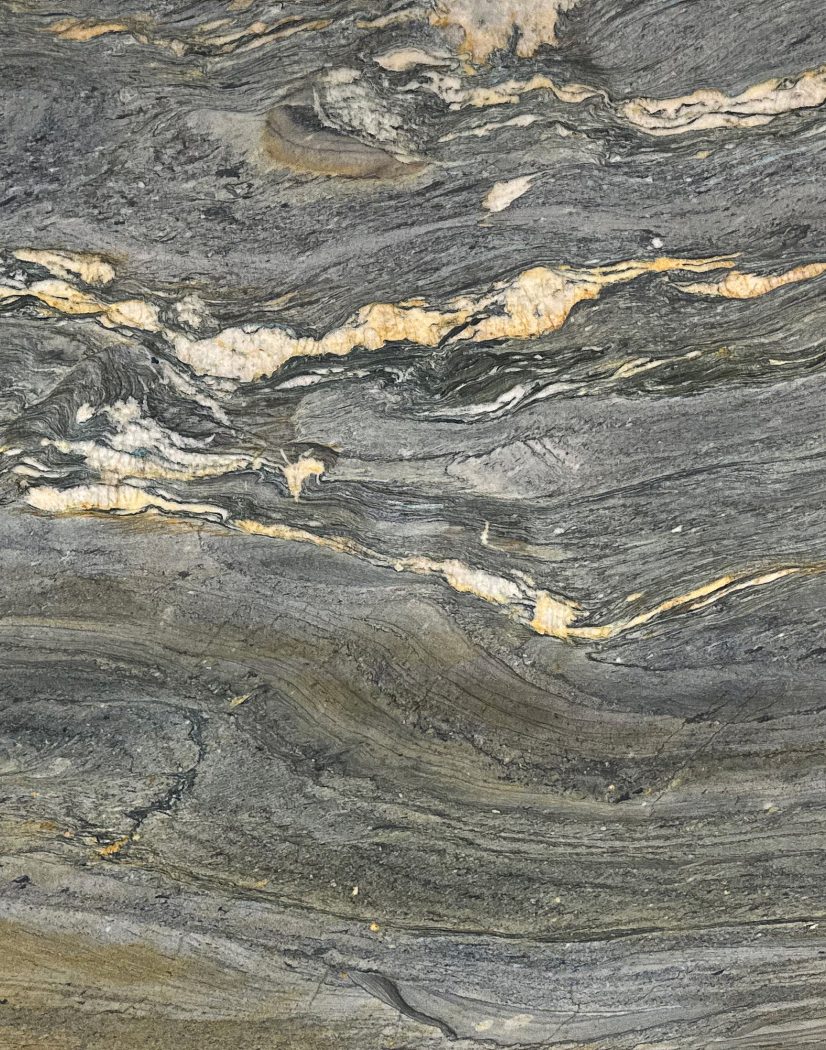
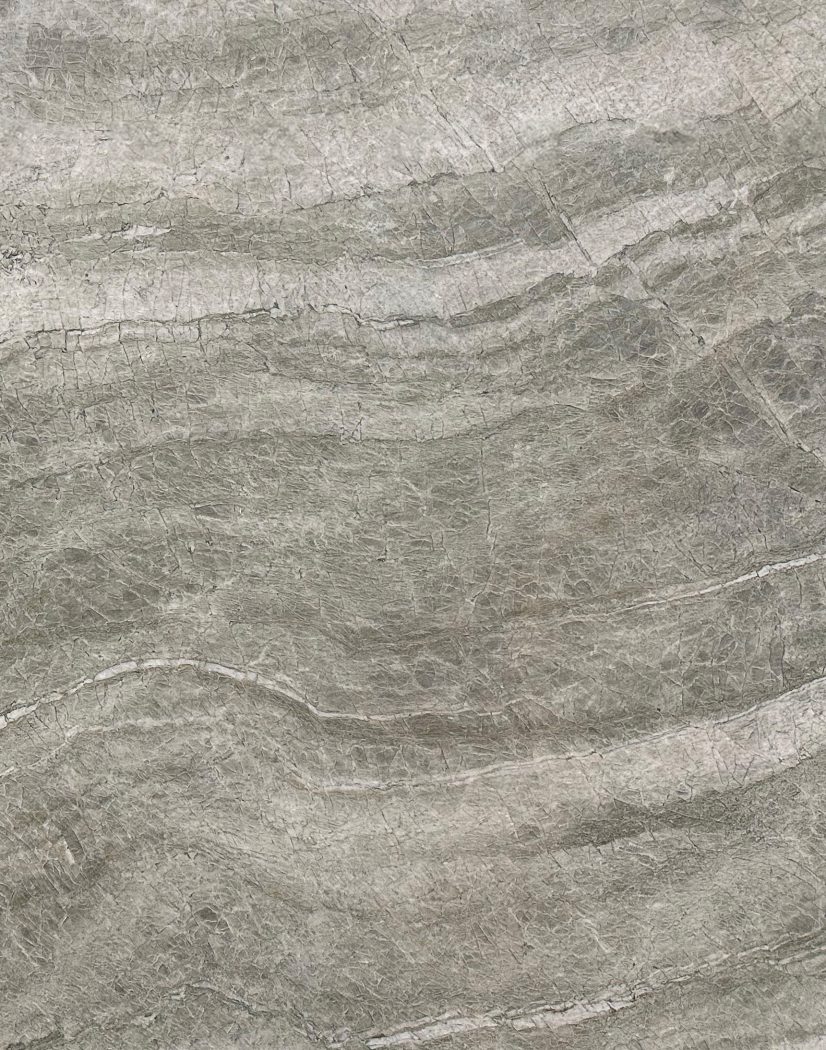
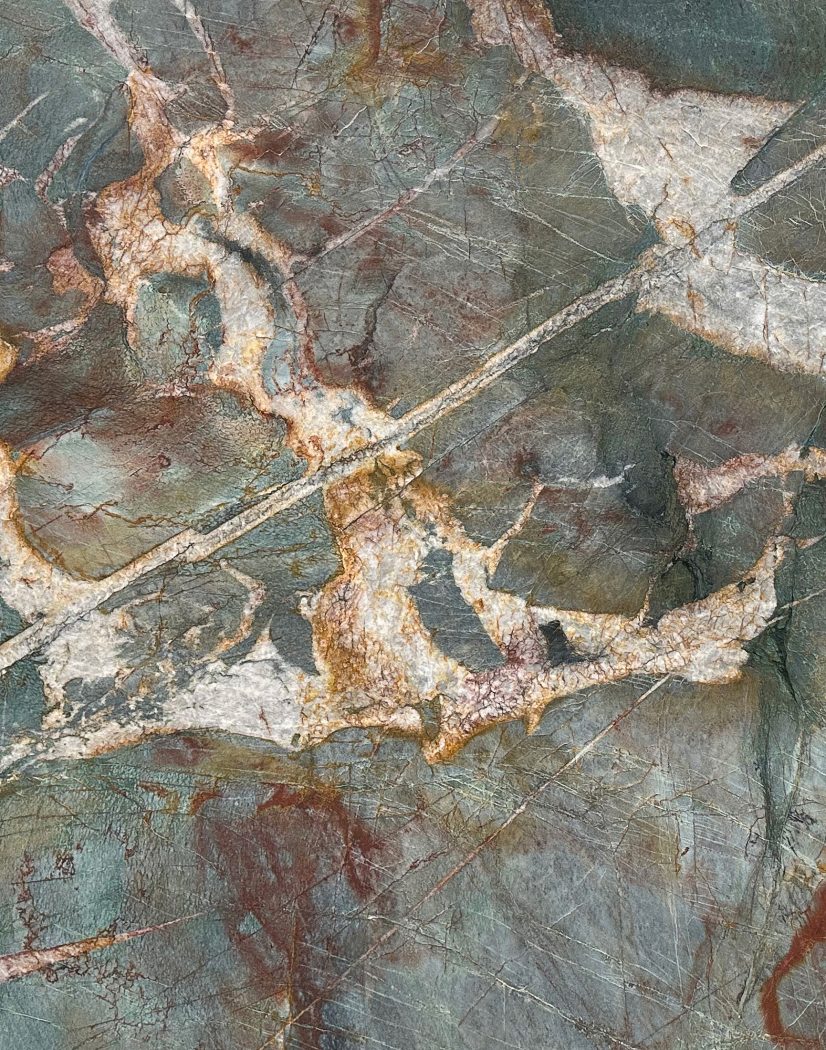
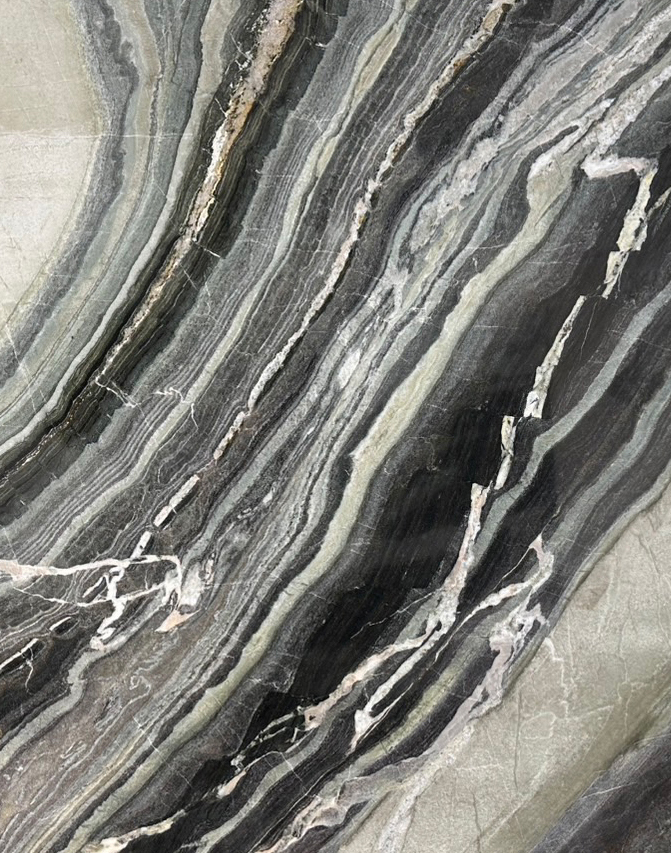
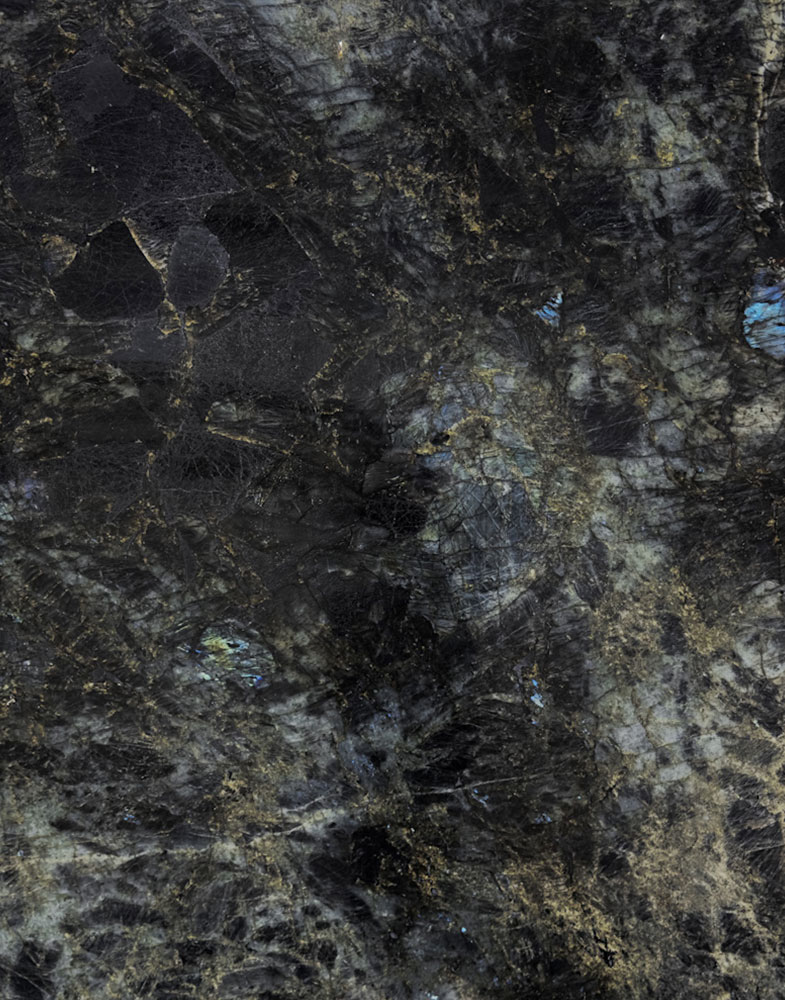
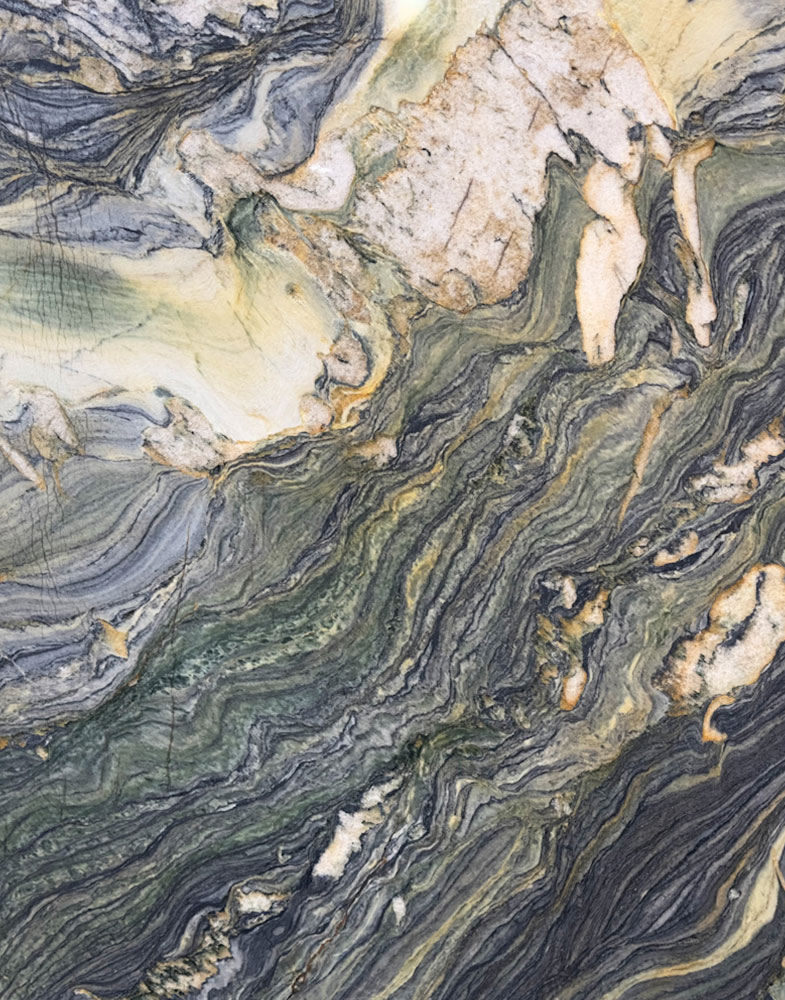
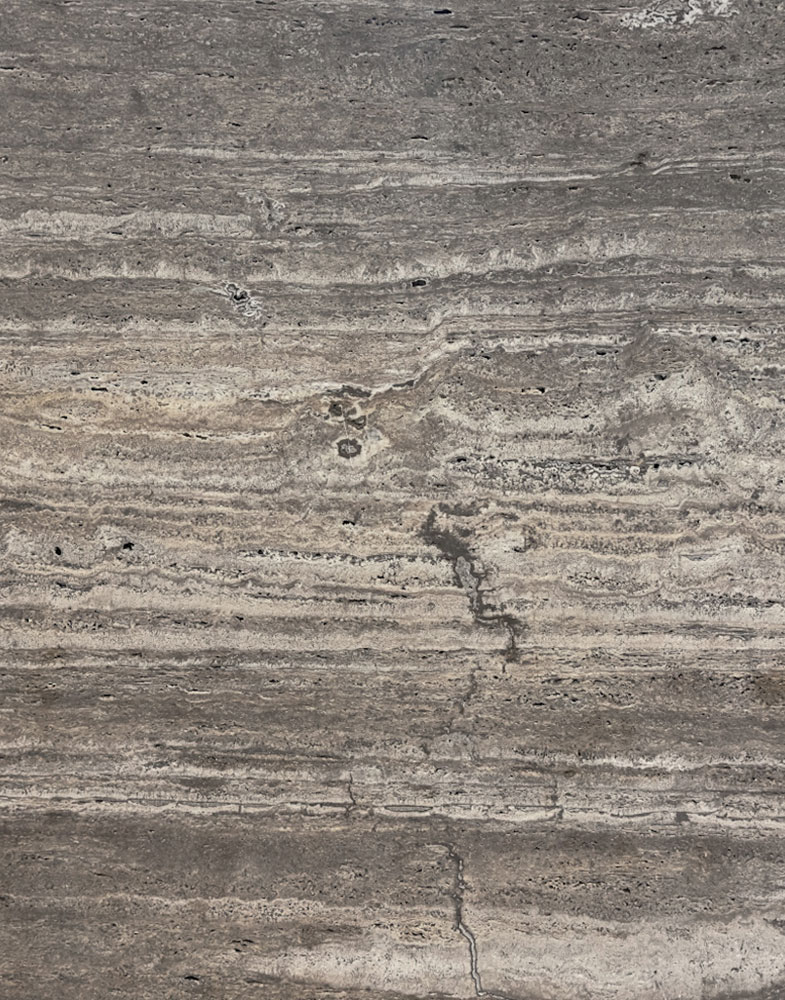
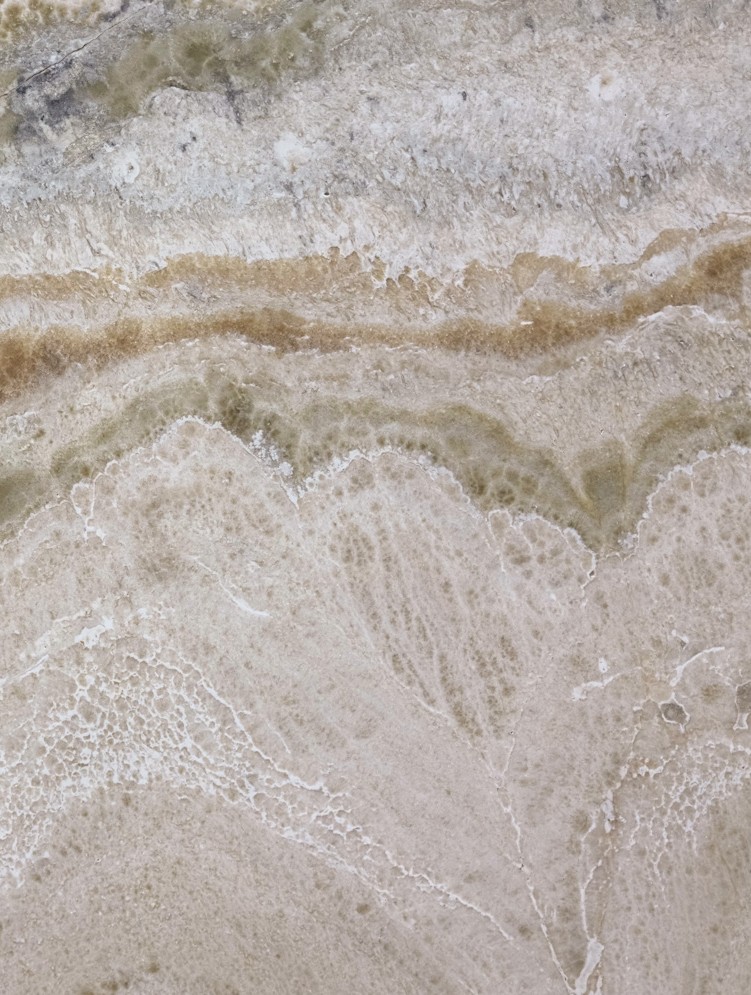
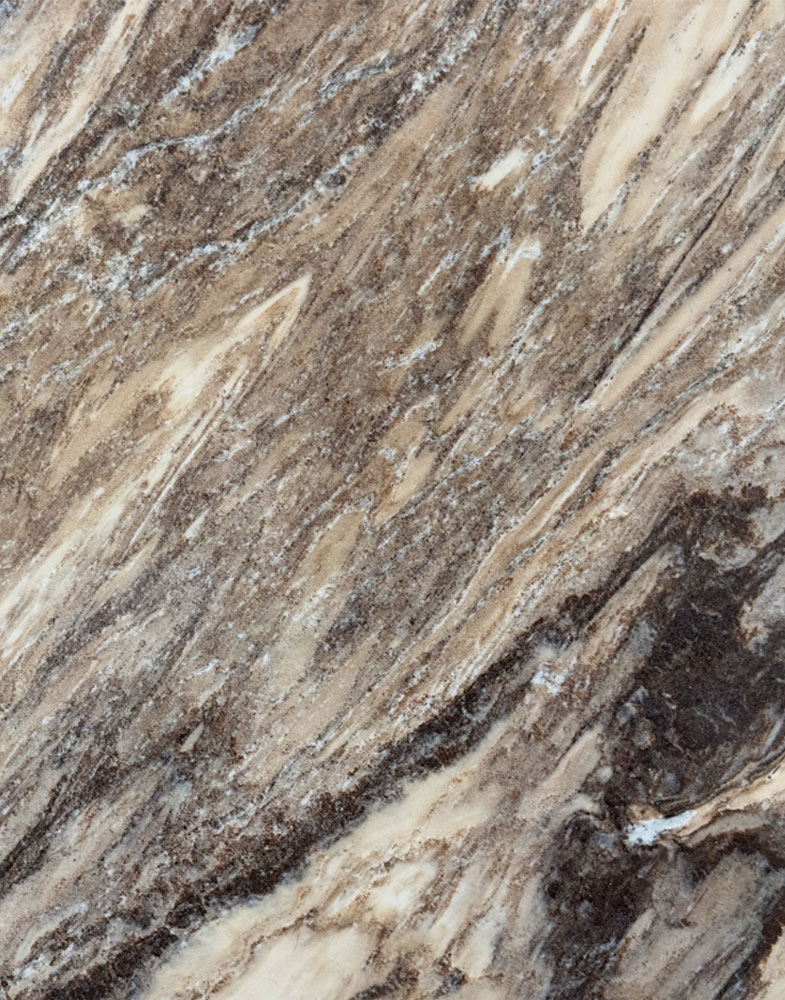
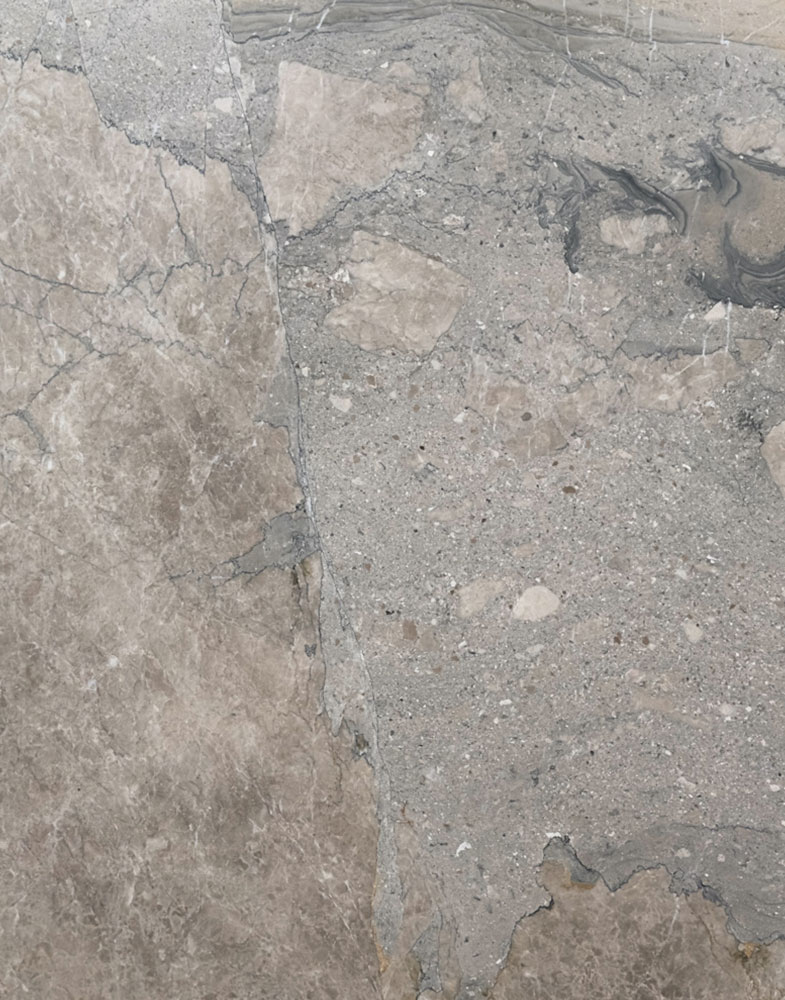
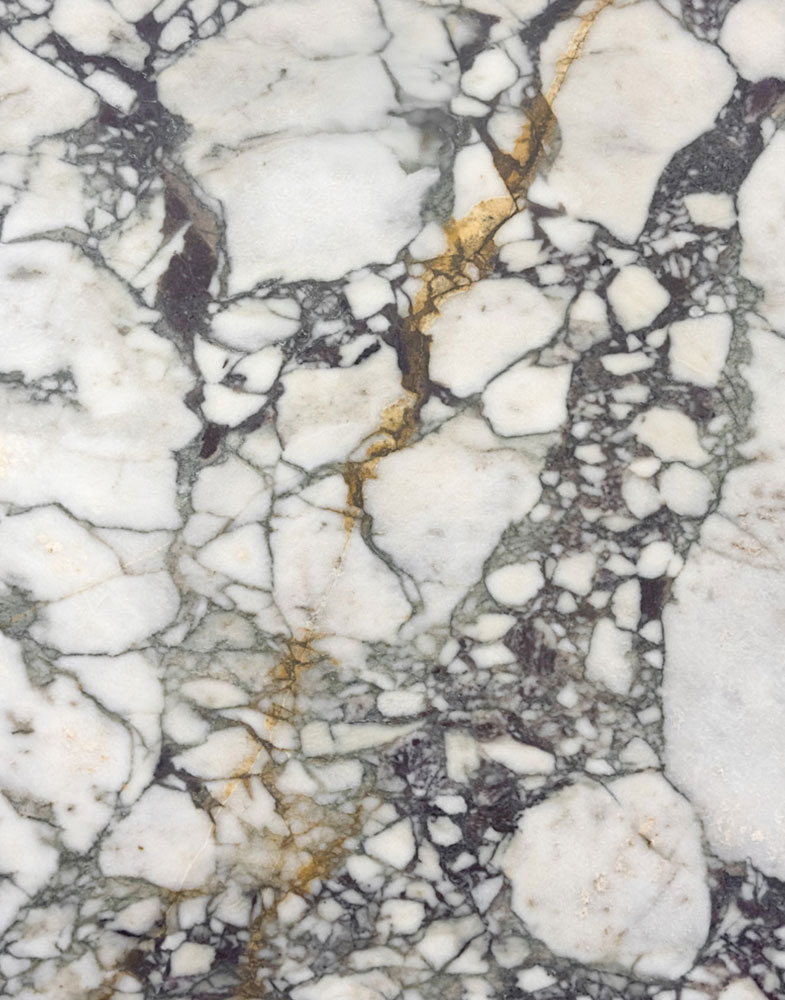
Introduce the concept of natural stones as eco-friendly alternatives in construction. Highlight the inherent sustainability of stones such as marble, granite, and limestone. Discuss the geological formation of natural stones and their abundance in nature.
Durability and Longevity:
Explore the durability of natural stones and their resistance to wear, weathering, and degradation. Discuss how the longevity of stone materials contributes to reduced maintenance and replacement needs, thus minimizing environmental impact.
Recyclability and Reusability:
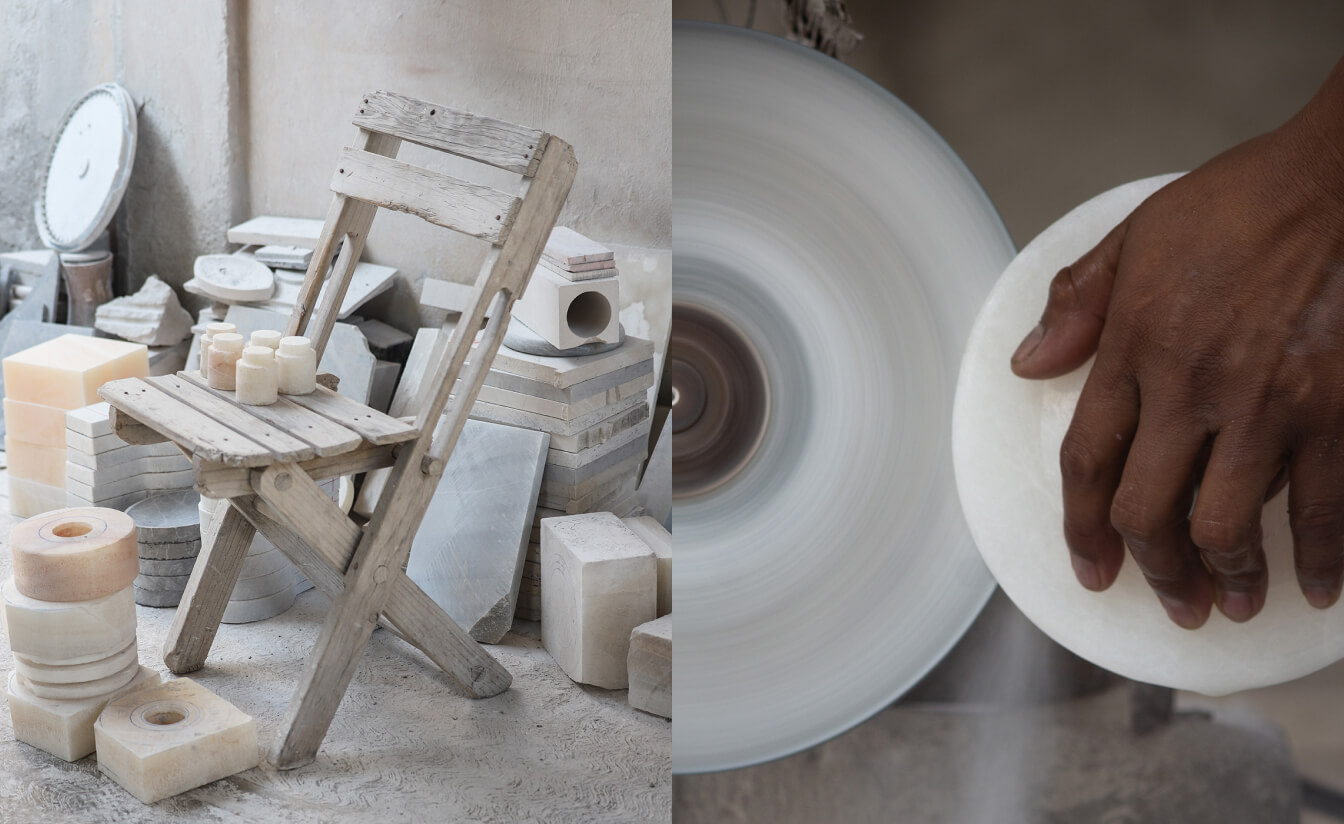
Examine the recyclability of natural stones and their potential for reuse in various applications. Highlight examples of reclaimed stone materials being repurposed in construction projects.

Energy Efficiency and Thermal Properties:
Discuss the energy-saving benefits of natural stones in construction. Explore how the thermal properties of stones contribute to improved insulation and energy efficiency in buildings.
Sustainable Quarrying Practices:
Address concerns regarding the environmental impact of quarrying activities. Highlight sustainable quarrying practices, such as responsible mining techniques and reclamation efforts.
Innovative Applications in Design:
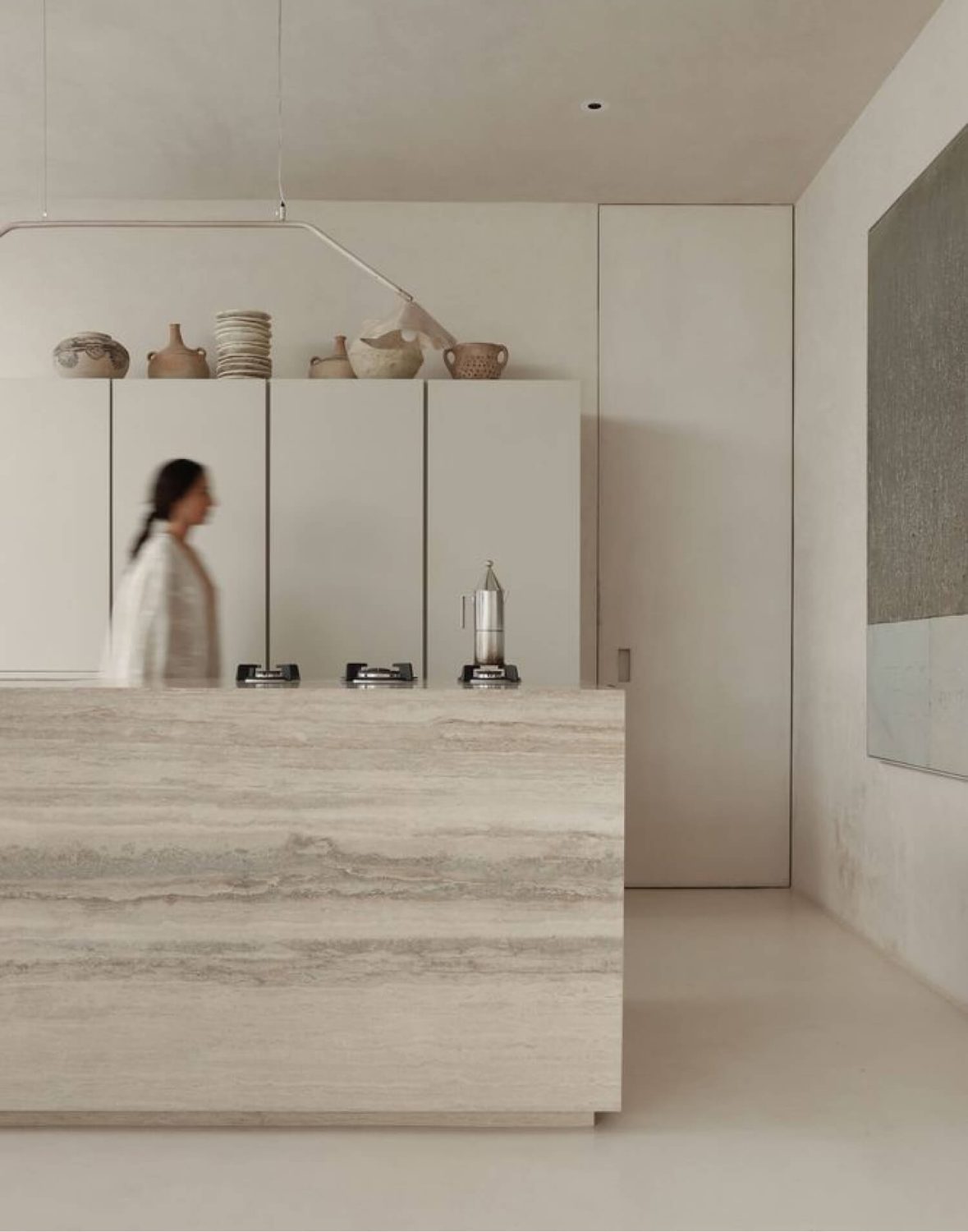
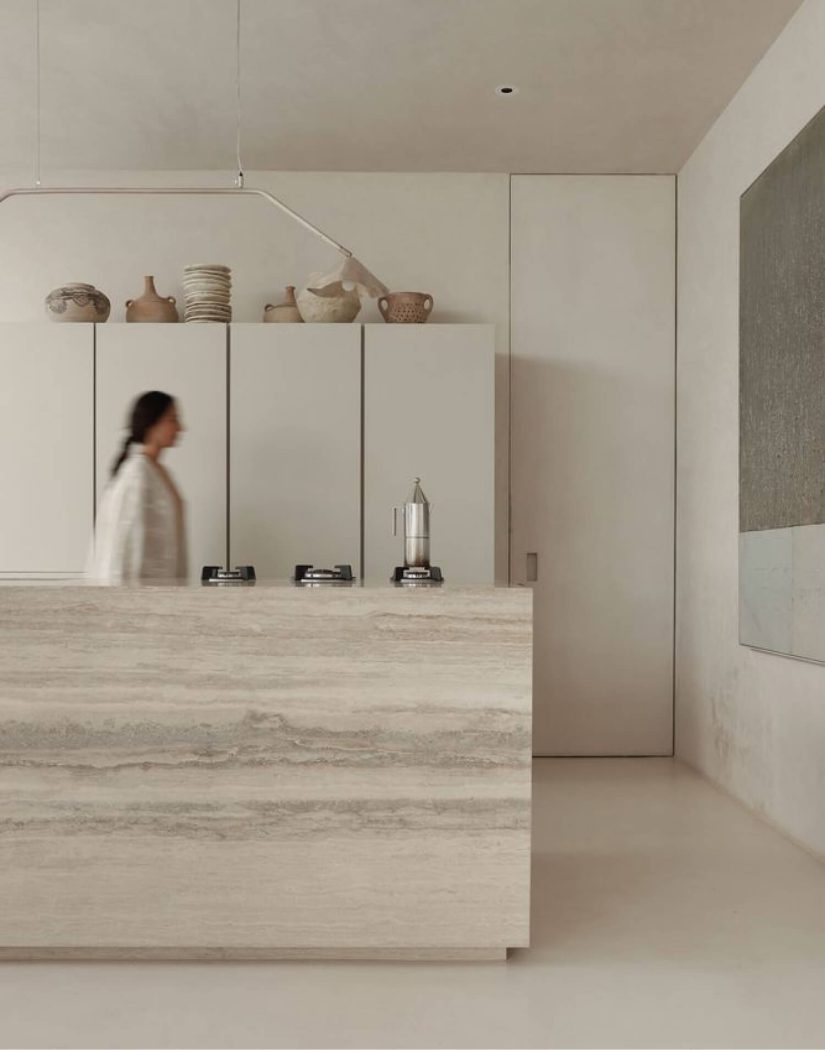
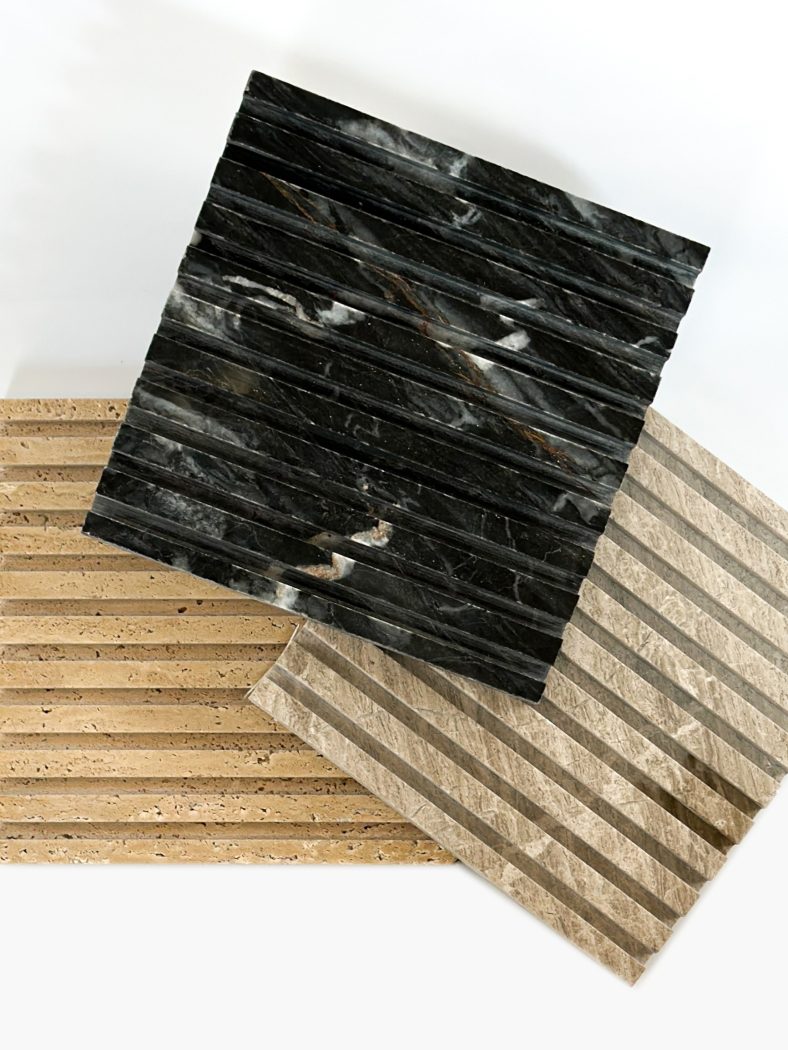
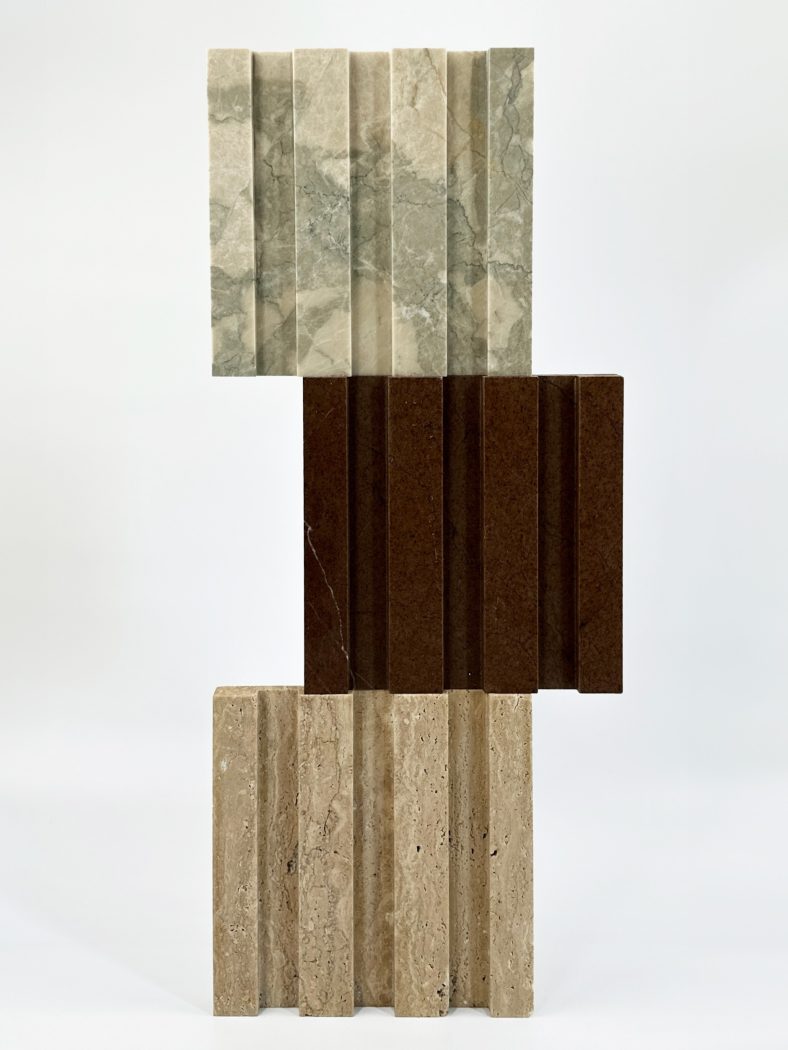
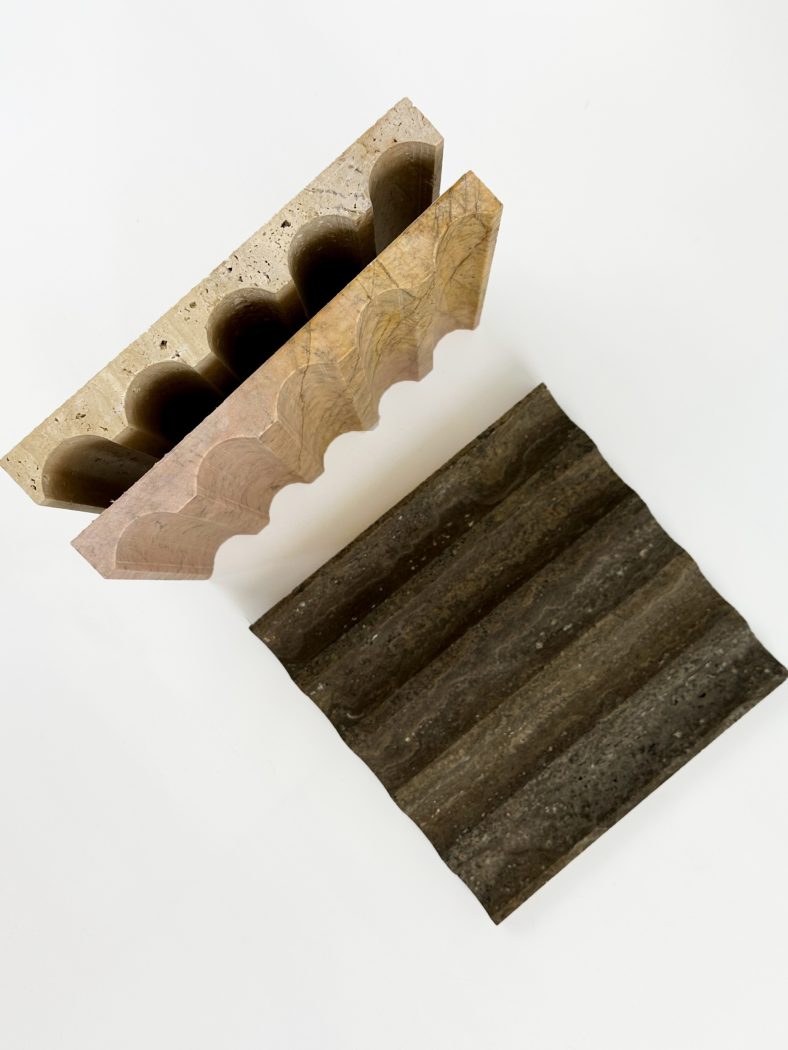
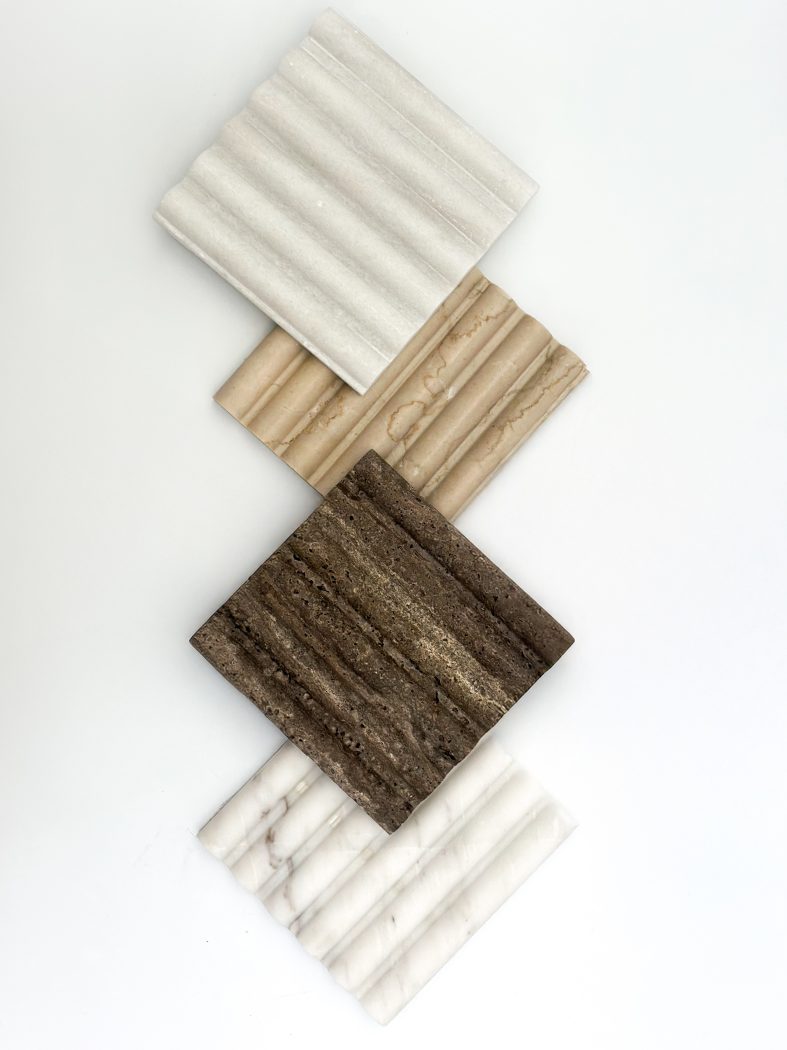
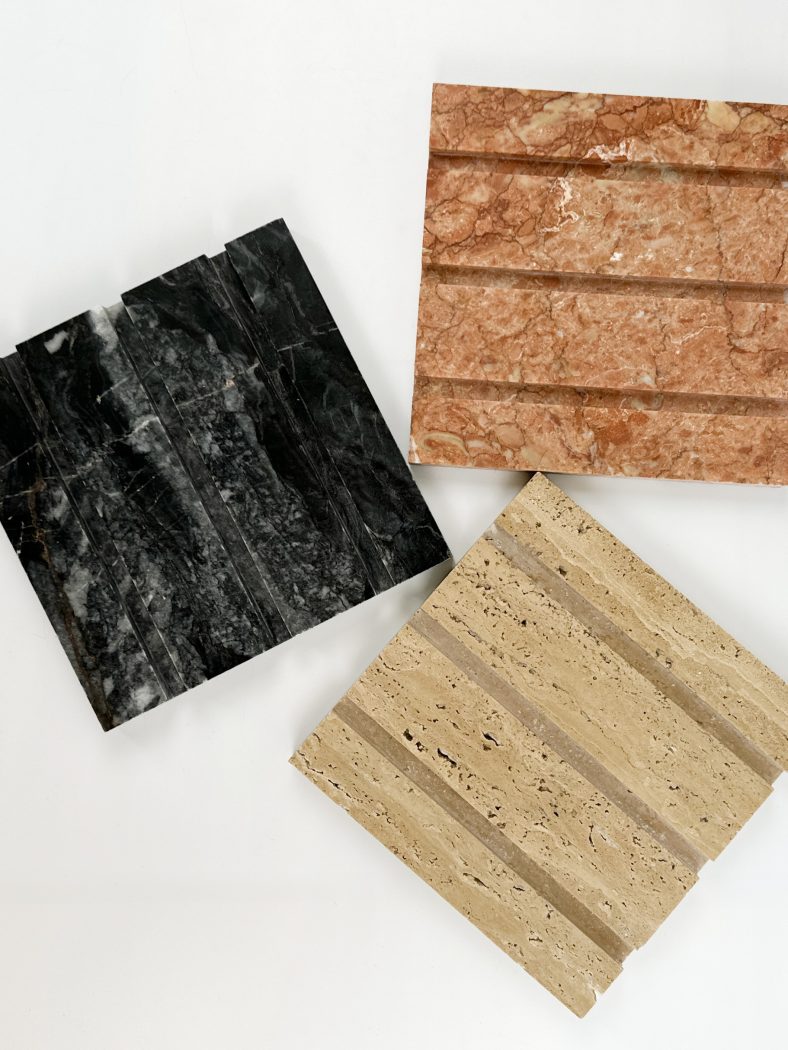
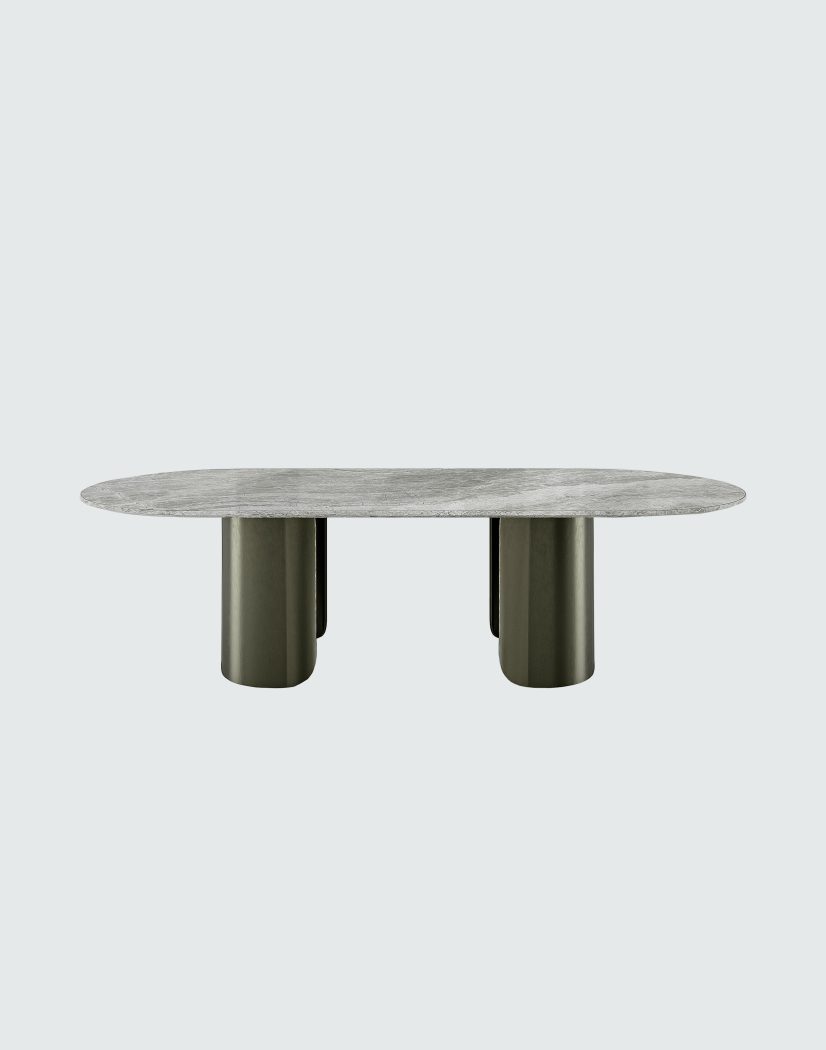
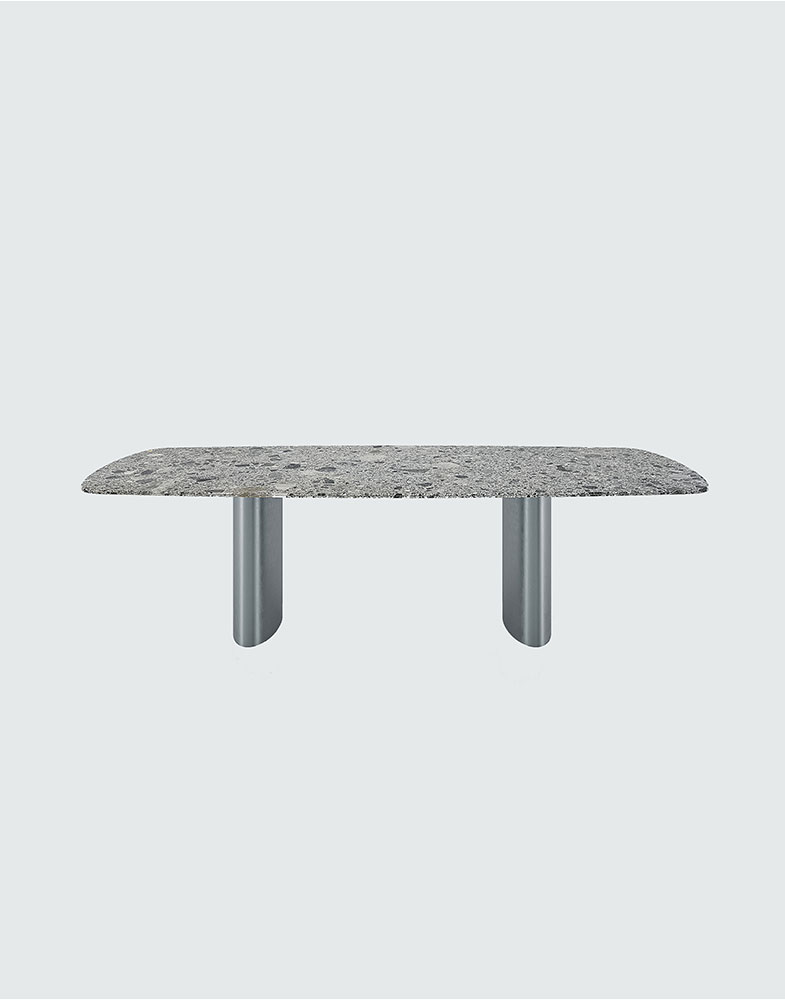
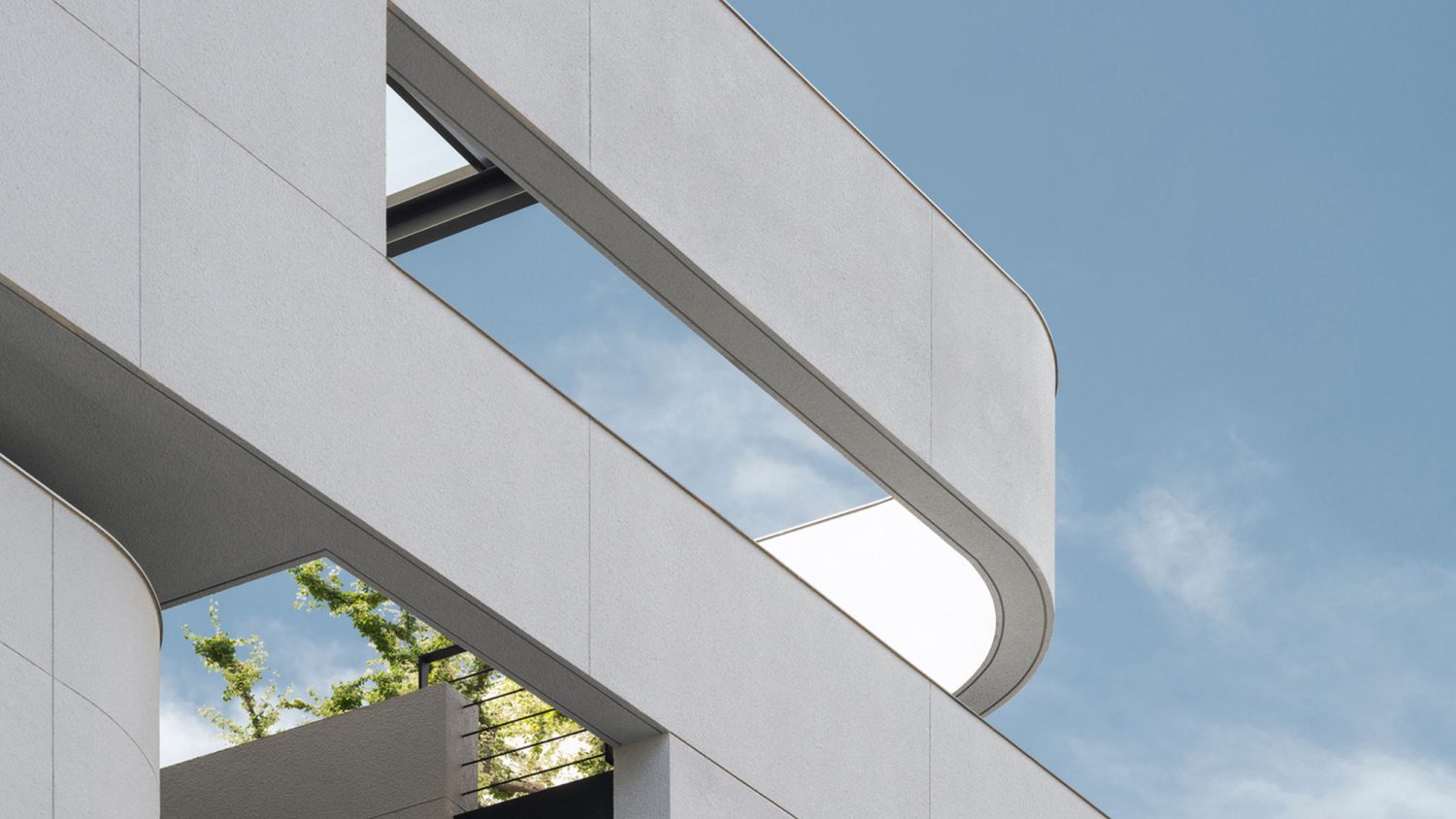
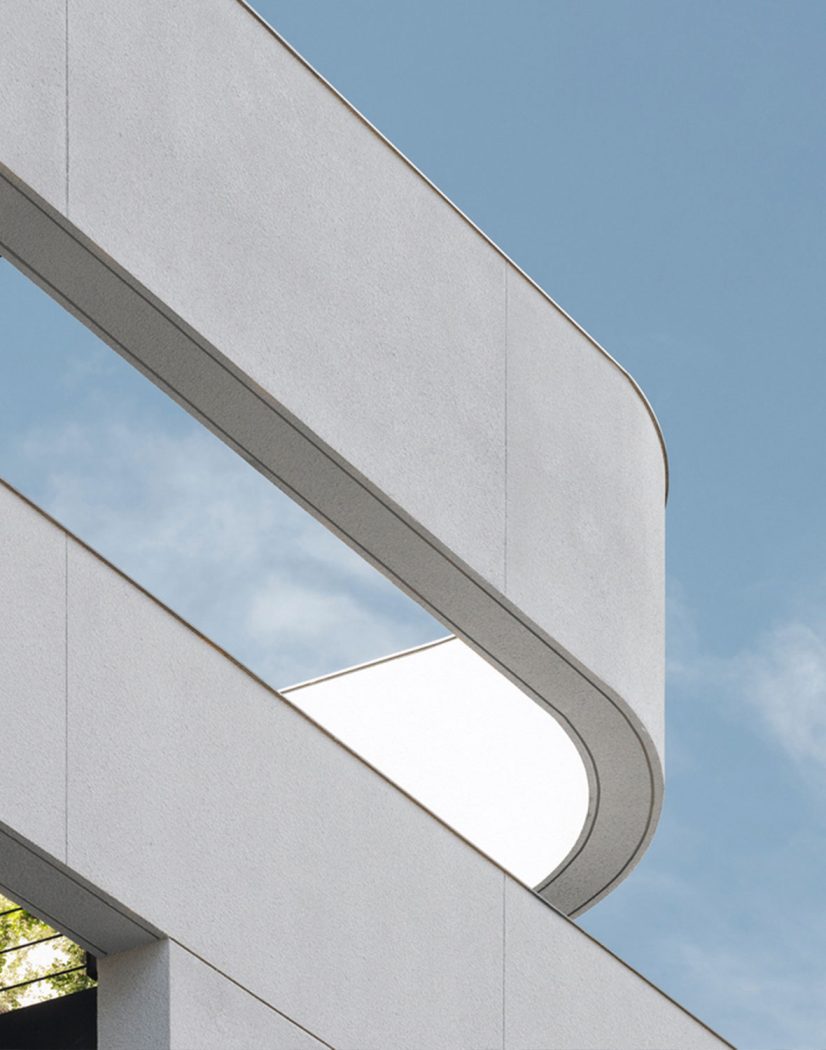
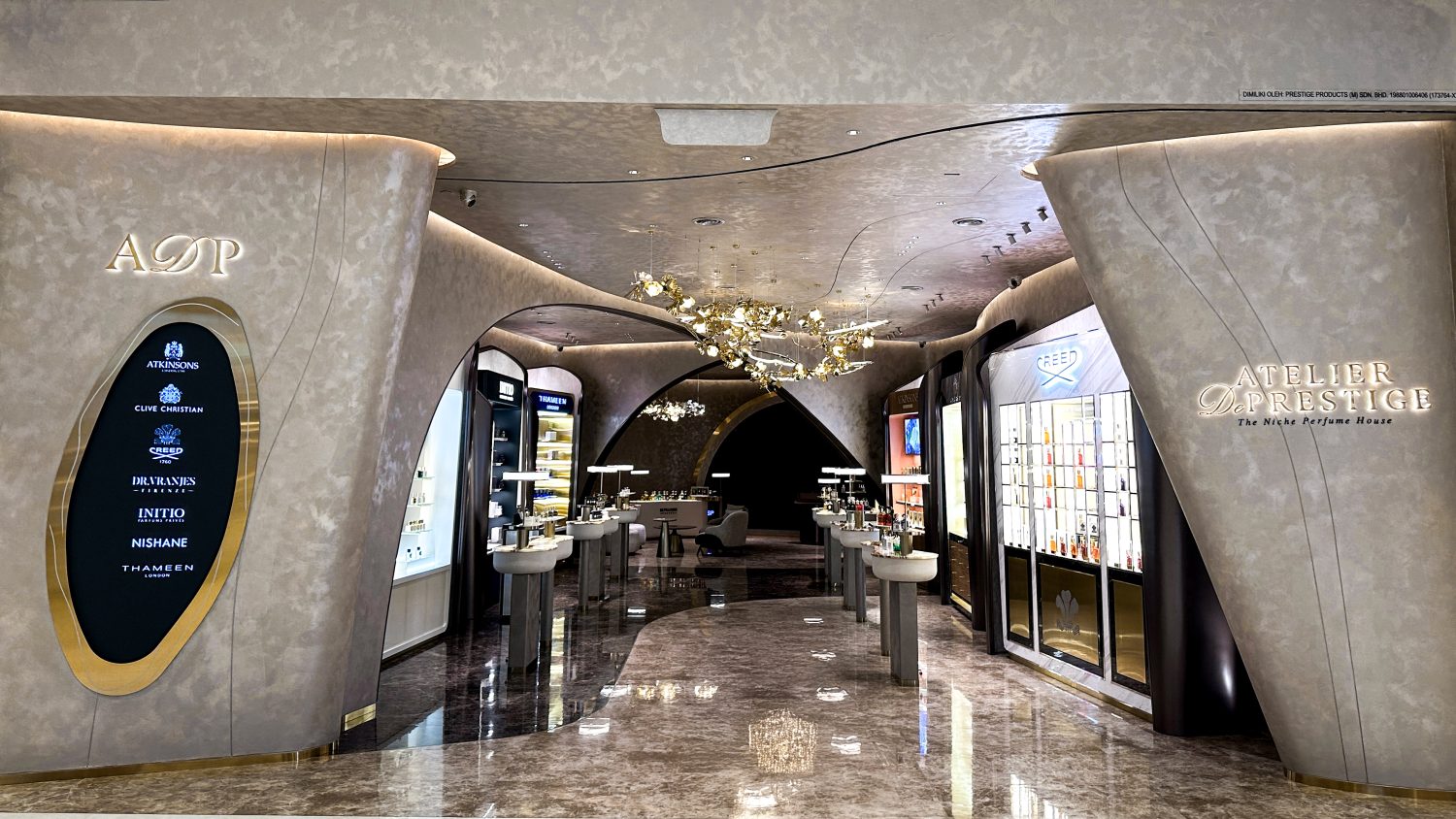
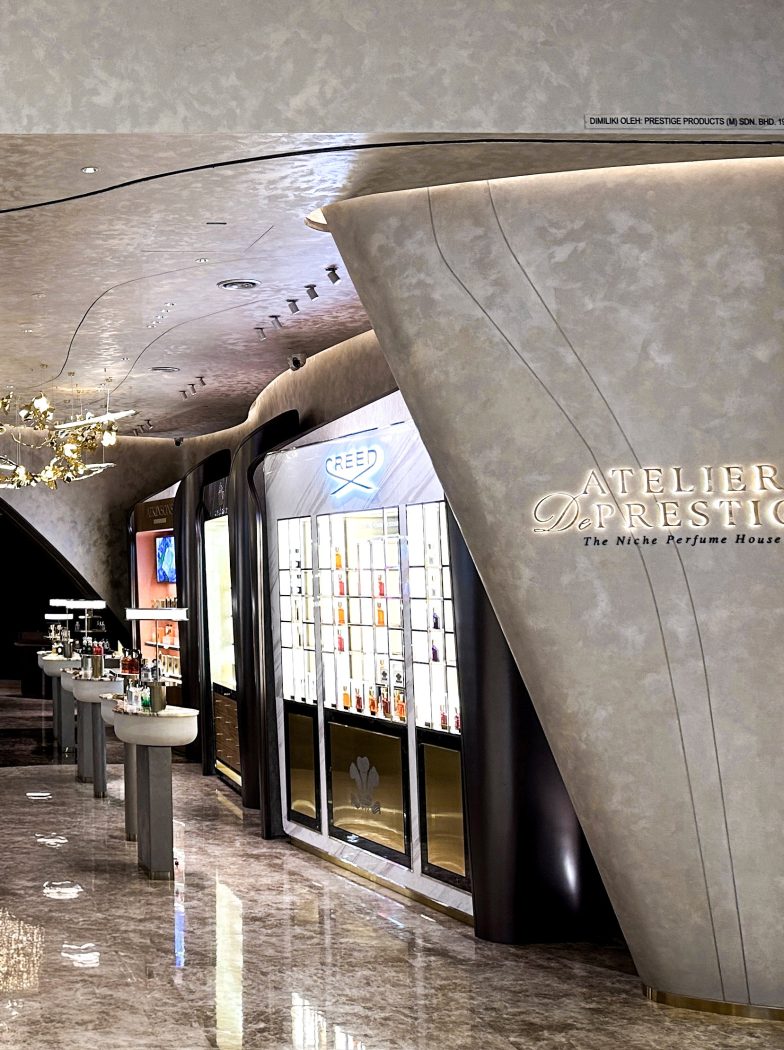
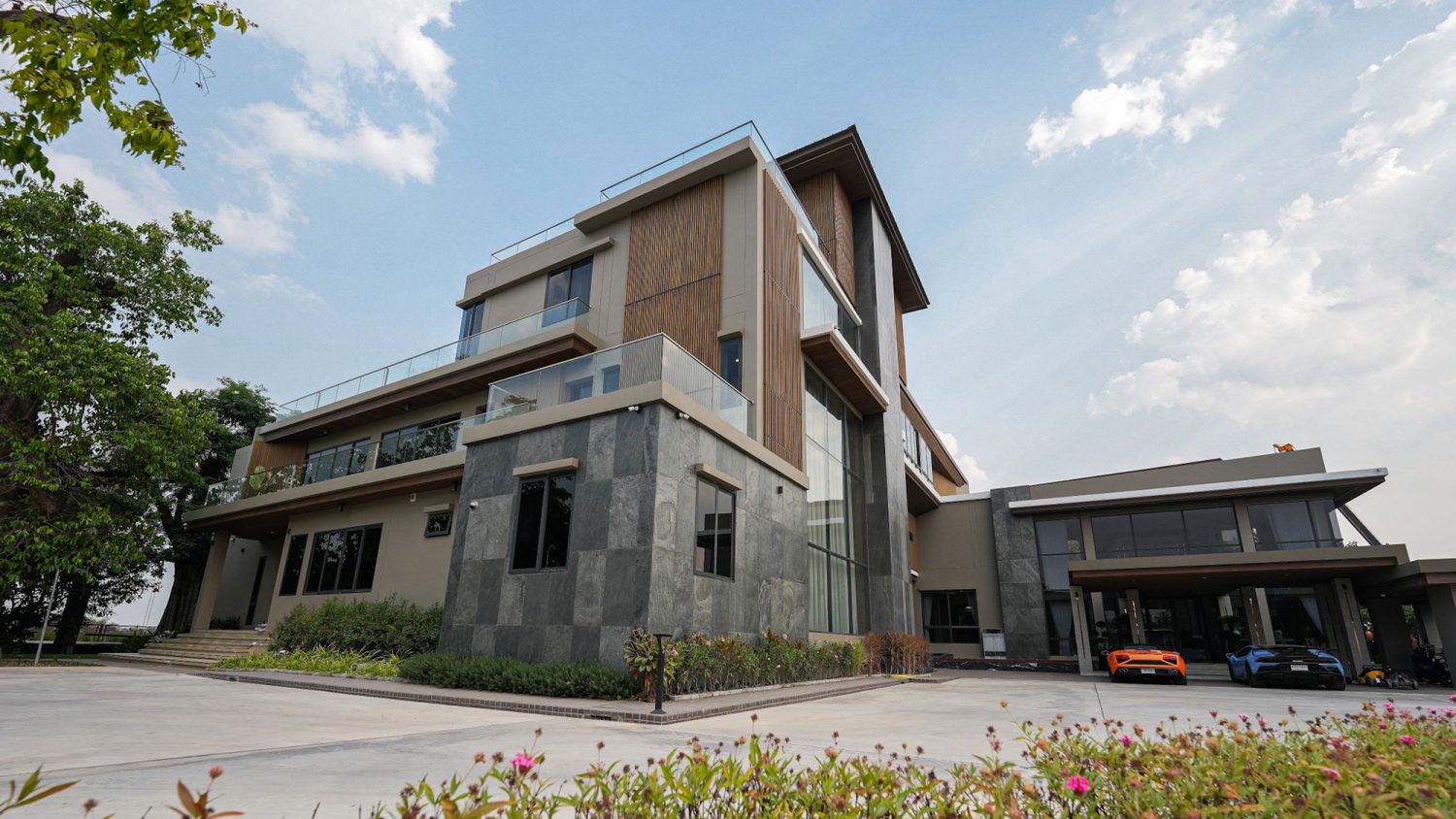
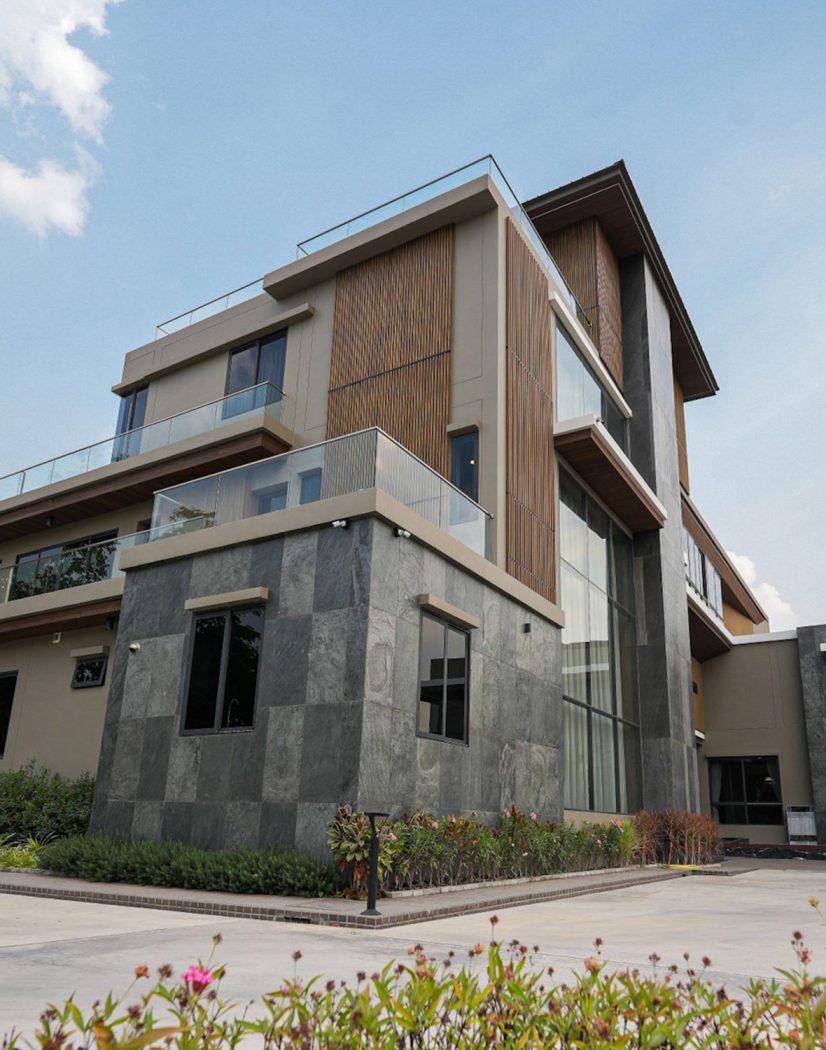
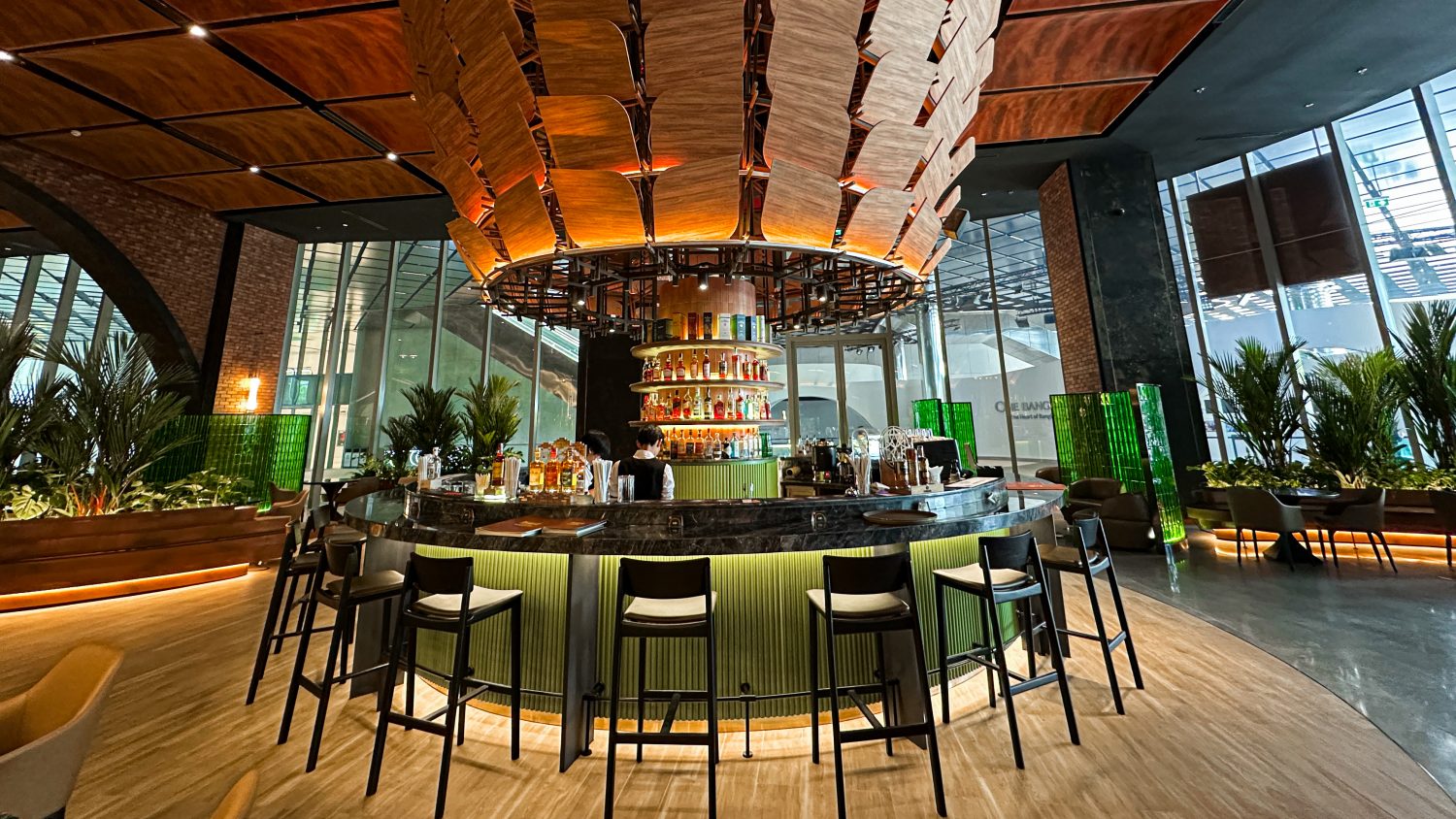
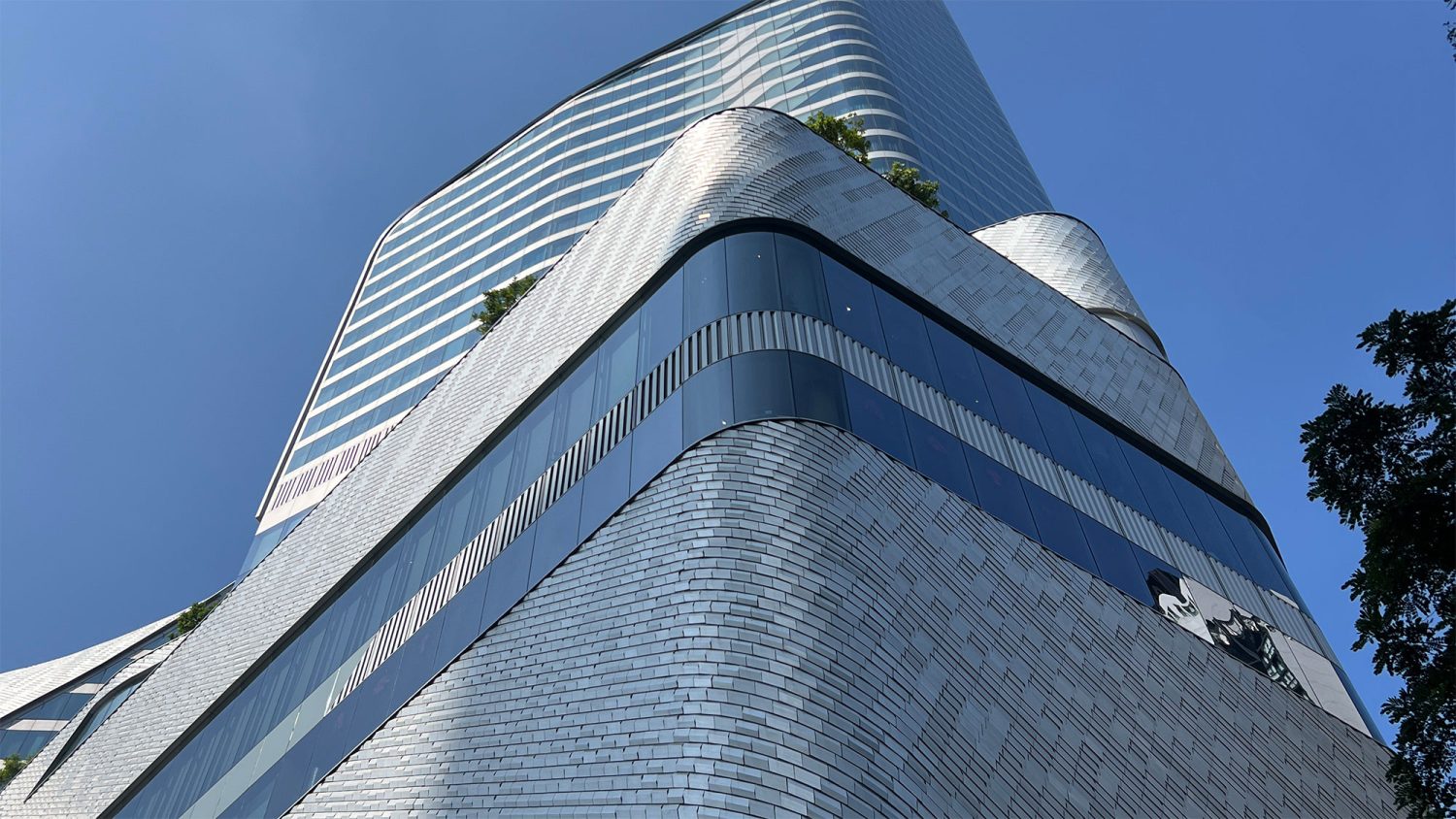
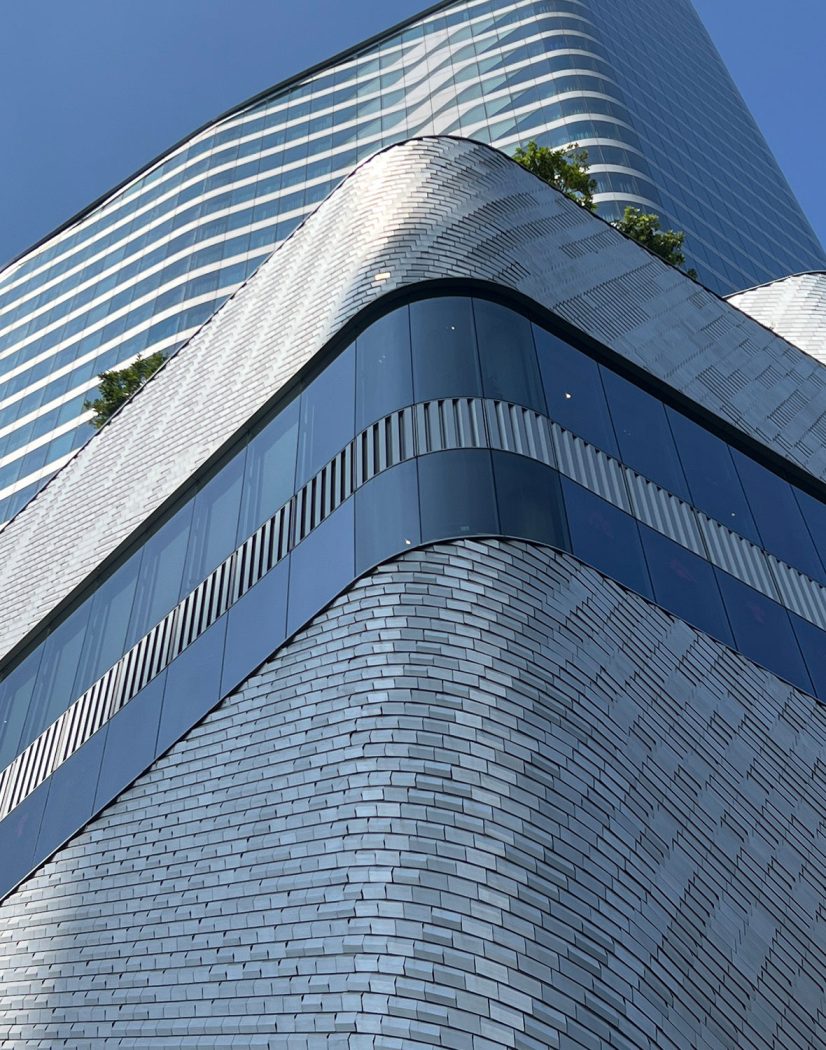
Showcase innovative uses of natural stones in architectural design, interior decoration, and landscaping. Highlight projects that integrate sustainable stone solutions in creative and aesthetically pleasing ways.
Case Studies:
Present case studies of real-world projects that prioritize sustainability through the use of natural stones. Discuss the design considerations, benefits, and challenges encountered in each project.
Future Trends and Technologies:
Explore emerging trends and technologies in sustainable stone solutions. Discuss ongoing research and development efforts aimed at enhancing the eco-friendliness of stone materials.
Summarize the key advantages of sustainable stone solutions in construction and design. Emphasize the role of natural stones in promoting environmental sustainability and fostering a greener built environment.
In conclusion, sustainable stone solutions offer a compelling pathway toward environmentally conscious construction and design practices. By harnessing the inherent durability, recyclability, and aesthetic appeal of natural stones, architects, designers, and builders can create spaces that not only minimize environmental impact but also inspire a greater appreciation for the beauty and diversity of the natural world.